Recently Added

Bar Mleczny Słoneczny
An authentic Polish milk bar. Cheap and delicious. Serves typical Polish foods. Probably the most affordable place in the center of Gdynia. Can get crowded at lunch time.
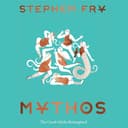
Mythos by Stephen Fry
Greek myths retold by Stephen Fry. He is both the author and the narrator of this book. His wit and sense of humor come across in both the text and in the delivery. Plus, you actually get to learn Greek myths.

Australian Shepherd
Great companion dog. Loves to run. Smart and active. If you have kids it will try to herd them.

Eminem
Eminem, born Marshall Bruce Mathers III on October 17, 1972, is an American rapper, songwriter, and producer. He grew up in Detroit, Michigan, bouncing between homes with his mother, Debbie Nelson, after his father abandoned the family when Eminem was a baby. His early life was rough—poverty, bullying, and moving from place to place. Music became his outlet. At first, he wanted to be a comic book artist, but hip-hop pulled him in. He started rapping as a teenager, performing in local clubs and freestyle battles in Detroit. Back then, he adopted the name "MC Double M" before eventually settling on "Eminem" (from his initials "M&M"). His early work, like the 1996 album Infinite, went largely unnoticed, and he struggled to support his young daughter, Hailie Jade. But things changed with his 1997 Slim Shady EP, where he introduced his alter ego, Slim Shady—a character through which he expressed anger, humor, and dark storytelling. In 1999, Dr. Dre of N.W.A fame signed Eminem to Aftermath Entertainment. That same year, The Slim Shady LP dropped and took off, known for its raw lyrics and twisted humor. Eminem's follow-up albums, The Marshall Mathers LP (2000) and The Eminem Show (2002), catapulted him to global fame. His songs often blended personal struggles with sharp, satirical jabs at celebrities and politicians. Tracks like "Stan," "The Real Slim Shady," and "Without Me" became staples of early-2000s music. Eminem's fame wasn’t without controversy. Critics called out his lyrics for being offensive, but others praised his lyrical skill and raw honesty. He often rapped about his turbulent relationship with his ex-wife, Kim Scott, his love for his daughter, and his battles with addiction. Despite backlash, he won multiple Grammys and even nabbed an Oscar for "Lose Yourself," the theme from 8 Mile—a semi-autobiographical film where he played an aspiring rapper struggling to break through in Detroit. After Encore (2004), Eminem stepped back from music, dealing with addiction and the death of his close friend and fellow rapper, Proof. He returned in 2009 with Relapse, followed by Recovery (2010), which reflected on his journey toward sobriety. Albums like The Marshall Mathers LP 2 (2013), Revival (2017), Kamikaze (2018), and Music to Be Murdered By (2020) showcased his evolving style, balancing introspection with the rapid-fire wordplay he's known for. Eminem’s influence is hard to overstate. He broke racial barriers in a genre dominated by Black artists and opened doors for future white rappers, all while remaining respected in the hip-hop community for his technical skill. He’s had his fair share of feuds with other artists—Ja Rule, Machine Gun Kelly, and Benzino, to name a few—but he’s also mentored acts like 50 Cent and worked closely with Dr. Dre. Beyond music, Eminem’s ventured into acting (8 Mile), launched his own label (Shady Records), and opened a restaurant called Mom’s Spaghetti in Detroit—named after a lyric from "Lose Yourself." Though he’s had a rocky personal life, including struggles with addiction and family drama, he’s been sober since 2008 and continues to release music that reflects both his personal growth and unfiltered attitude. In 2022, Eminem was inducted into the Rock and Roll Hall of Fame, marking over two decades of impact on music and culture. Even now, well into his fifties, he keeps releasing chart-topping albums and singles, proving he’s still got it. For many, Eminem’s music is a blend of humor, pain, and razor-sharp lyricism—a reflection of a man who’s faced his demons and isn’t afraid to talk about them.

Project Hail Mary by Andy Weir
"Project Hail Mary" is a space adventure story written by Andy Weir, the same guy who wrote "The Martian." It's about a man named Ryland Grace who wakes up on a spaceship with no memory of who he is or why he's there. He figures out he's on a mission to save Earth from disaster. The story follows him as he tries to remember his past and complete his mission, which involves a lot of science and problem-solving. Along the way, he meets an alien, and they form an unlikely friendship. The book is full of cool science stuff, suspense, and humor. It's like a mix of a mystery and a space adventure, with a lot of heart. The narration by Ray Porter is superb, with sound effects and excellent voice work.

Long Walk to Freedom by Nelson Mandela
Long Walk to Freedom is an autobiography by South Africa's first democratically elected President Nelson Mandela, and it was first published in 1994 by Little Brown & Co. The book profiles his early life, coming of age, education and 27 years spent in prison If you're new to South African history, as I was, this is a great starting point. Why not hear from the man who played a key part in it?

Sinaloa Cartel
Tough work conditions. El Chapo doesn't care about us at all. Blood in, blood out. :(
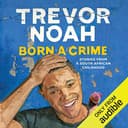
Born a Crime by Trevor Noah
Born a Crime: Stories from a South African Childhood is Trevor Noah’s autobiography, published in 2016. It tells the story of his early years growing up in South Africa during and after apartheid. The title comes from the fact that his birth—he had a black Xhosa mother and a white Swiss-German father—was literally considered a crime under apartheid laws that banned interracial relationships at the time. The book is a mix of humor and tough truths. Much of it focuses on Trevor’s relationship with his mother, Patricia, who plays a huge role in his life. She’s portrayed as tough, religious, and fiercely independent—someone who dragged him to multiple church services every week, even during times of violence and unrest. Her strong influence shapes his character, often through strict discipline and sharp lessons about right and wrong. Trevor shares stories from his childhood that range from funny to intense. There’s a scene where his mother throws him out of a moving minibus to save him from a potentially dangerous driver. He also talks about using his talent for languages to navigate different cultural groups in South Africa, and how he hustled by selling bootleg CDs to make money. But not all his stories are light—he describes living with his abusive stepfather, Abel, whose violence culminated in him shooting Trevor’s mother, though she miraculously survived. Despite the heavy topics—racism, poverty, domestic abuse—Noah’s storytelling is funny, honest, and full of warmth. The book gives a personal look at how apartheid shaped everyday life but also highlights the resilience of his family, especially his mother. The memoir was widely praised, becoming a bestseller and earning spots on numerous “best of the year” lists. It struck a chord with readers around the world, and even inspired figures like U.S. Senator Tammy Duckworth and First Lady Jill Biden, who assigned it as reading for her English class. A film adaptation is in the works, with Lupita Nyong’o set to play Trevor’s mother and co-produce the project.

Trevor Noah
Trevor Noah is a South African comedian, writer, producer, and television host, born on February 20, 1984, in Johannesburg. His upbringing was complicated by apartheid-era laws that made his parents’ interracial relationship illegal. His mother is Xhosa, and his father is Swiss-German. Growing up in Soweto, he experienced firsthand the complexities of race and identity in South Africa, something that would later shape much of his comedy. He started his entertainment career in South Africa, first appearing on television in 2002. By his early twenties, he was hosting shows on national TV and performing stand-up comedy. His routines often focused on race, culture, and politics, blending sharp observations with personal stories. In 2011, Noah moved to the United States. By 2014, he was a contributor on The Daily Show and took over as host from Jon Stewart in 2015. His style was more laid-back than Stewart’s, mixing global perspectives with humor rooted in his South African background. While some viewers appreciated his international take, others felt the show lost some of its bite. Still, he connected with younger audiences, especially on digital platforms. Noah is also known for Born a Crime, his 2016 memoir about growing up in South Africa, which became a bestseller. Beyond The Daily Show, he’s hosted major events like the Grammy Awards several times and the White House Correspondents’ Dinner in 2022. After leaving The Daily Show in late 2022, he shifted focus to stand-up tours, podcasts, and other projects. Offstage, Noah speaks several languages, supports Liverpool FC, and runs a foundation aimed at improving youth education in South Africa. Despite the humor in his work, much of his life—like surviving domestic violence in his family—has been marked by serious challenges, which he addresses with honesty and wit.

Beyoncé
She started out in a group called Destiny's Child, which was super popular back in the late '90s and early 2000s. They had big some hits, like "Say My Name" and "Survivor." But Beyoncé didn't stop there. She went solo and totally nailed it. Beyoncé's music is a mix of R&B, pop, hip hop, and more, and she's known for putting on incredible live shows. Some of her big songs you might know are "Single Ladies (Put a Ring on It)," "Crazy in Love," and "Halo." On top of her music, she acts in movies, runs her own business, and does a lot of charity work. She's also married to Jay-Z, another big name in music, and they're kind of like the king and queen of the music industry.

Adele
Adele is an English singer and songwriter from London, born on May 5, 1988. She’s known for her powerful voice and emotional songs, often about love and heartbreak. She started singing as a child and graduated from the BRIT School for Performing Arts in 2006. Soon after, she signed with XL Recordings and released her debut album, 19, in 2008. It included hits like “Chasing Pavements” and “Make You Feel My Love,” earning her the Grammy for Best New Artist. Her second album, 21 (2011), was a massive success worldwide, featuring tracks like “Rolling in the Deep,” “Someone Like You,” and “Set Fire to the Rain.” Inspired by a breakup, it struck a chord with listeners and became the best-selling album of the 21st century. Her third album, 25 (2015), carried on her tradition of naming albums after her age and included the hit “Hello.” Her most recent album, 30 (2021), reflects on her divorce and personal growth. Adele has a soulful, smoky voice and often sings ballads, blending pop, soul, and blues. She’s won numerous awards, including 16 Grammys, an Oscar for her James Bond theme “Skyfall,” and a Golden Globe. Despite her global fame, she’s known for being down-to-earth and humorous. She was married to Simon Konecki, with whom she has a son, but they divorced in 2021. Adele is currently engaged to sports agent Rich Paul. Over the years, she’s taken breaks between albums to focus on her personal life. She recently announced plans to step away from music for a while after finishing her concert residency in Las Vegas.


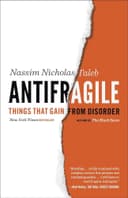
Antifragile: Things That Gain from Disorder
"Antifragile: Things That Gain from Disorder" by Nassim Nicholas Taleb is a groundbreaking exploration of systems and entities that thrive and grow stronger in the face of stress, volatility, and chaos. Taleb introduces the concept of "antifragility," which goes beyond resilience or robustness. Through a mix of philosophy, practical wisdom, and real-world examples, Taleb illustrates how embracing uncertainty and leveraging disorder can lead to success and innovation. This book is essential for anyone interested in risk management, personal development, and understanding how to benefit from uncertainty and change.

Texas
The best state with affordable real estate, no state income tax, no corporate income tax.

Matcha Tea
Matcha tea is a smooth, vibrant green beverage made by whisking finely ground green tea leaves into hot water. Unlike regular green tea, where the leaves are steeped and removed, matcha is fully consumed, which gives it a fuller body and a richer, more complex flavor. The taste is a blend of grassy freshness, gentle bitterness, and a deep, savory umami that lingers pleasantly. High-quality matcha can be surprisingly sweet and creamy, while lower grades tend to be more astringent. Preparing matcha is as much about the process as it is about the drink itself. The powder is first sifted into a bowl to break up any clumps, then a small amount of hot water—usually around 80°C—is added. Using a bamboo whisk, called a chasen, the tea is briskly whisked in a zigzag motion until a layer of fine, soft foam forms on top. This foam not only looks appealing but also softens the tea’s natural bitterness, creating a silky texture and smooth mouthfeel. There are two primary styles of matcha tea: usucha and koicha. Usucha, or thin tea, is lighter and frothy, offering a refreshing and balanced flavor—this is the kind you’ll often find at cafés or casual settings. Koicha, or thick tea, uses more powder and less water, resulting in a dense, velvety texture with a bold, concentrated taste. Koicha is typically reserved for formal tea ceremonies, where the ritual of preparing and drinking it becomes a slow, meditative experience. The tea’s striking green color comes from how the tea plants are grown. For several weeks before harvest, the plants are shaded from sunlight, which boosts their chlorophyll content and preserves amino acids like theanine. This process enhances the tea’s umami flavor while reducing bitterness. It’s also what gives matcha its calming effect despite containing caffeine—the theanine promotes a sense of focused relaxation, making it popular with those seeking gentle alertness rather than the jittery kick of coffee. Though matcha has deep roots in Japanese tea culture, where it’s long been associated with mindfulness and simplicity, it’s found new life in modern drinks like lattes, iced teas, and smoothies. Whether enjoyed during a traditional tea gathering or as part of a morning ritual at home, drinking matcha is about more than just taste—it’s a small, calming moment of pause in a busy day.



Ireland
Ireland is a small country with a big presence. Its capital, Dublin, is a lively city known for its mix of history, culture, and modern energy. Walk through the streets and you’ll find Georgian buildings, contemporary architecture, and plenty of places to hear live music or have a chat over a coffee—or a pint. The country has changed a lot over the past few decades. Once more rural and conservative, modern Ireland is progressive and increasingly diverse. It's known for its strong economy, driven in part by tech and finance companies that have set up shop in Dublin. But away from the business districts, life moves at a slower pace, especially in smaller towns and the countryside. Culture runs deep. Ireland has long punched above its weight in literature, music, and the arts. Writers like James Joyce and W.B. Yeats are still celebrated, but contemporary authors, filmmakers, and musicians continue to make their mark. Traditional Irish music hasn’t faded—it just sits comfortably alongside modern genres, often blending with them in interesting ways. Dance, especially the kind popularized by Riverdance, remains part of the cultural fabric without feeling forced or overly nostalgic. Food in Ireland has shifted from its meat-and-potatoes reputation. While hearty stews and fresh-baked bread are still common, there’s been a focus on fresh, local ingredients and creative cooking. In coastal areas, you’ll find top-quality seafood, and farmers' markets are popular across the country. Sport plays a big part in daily life. Gaelic games like football and hurling are uniquely Irish and deeply connected to local pride, but people follow soccer, rugby, and golf with just as much enthusiasm. While Ireland’s landscape is famous—green fields, dramatic coastlines, and rugged hills—it’s not just postcard scenery. Many people live in suburban areas, and the country has seen growing urban development. Still, nature is never far away. Ireland’s recent history includes both economic highs and lows, as well as major social changes. The country has legalized same-sex marriage, eased restrictions on abortion, and shifted away from the strong influence of the Catholic Church. Yet, traditional values like community and hospitality haven’t disappeared—they’ve just adapted to a changing world. At its core, Ireland is a place that blends the old with the new. It’s a country where centuries-old traditions coexist with modern ideas, where the past is present but doesn’t overshadow the future.


Black Tea
Black tea is the kind of drink that’s been around for ages, traded across continents, sipped at fancy afternoon teas, and downed in travel mugs on rushed mornings. It comes from the Camellia sinensis plant, just like green and white tea, but what sets it apart is the full oxidation of the leaves. That process turns them dark and gives black tea its deep reddish-brown color when brewed, along with that strong, punchy flavor that can be malty, smoky, fruity, or floral—depends on where it’s from and how it’s made. There are loads of varieties. Assam from India is bold and malty—perfect with a splash of milk. Darjeeling, often called the "champagne of teas," is lighter, floral, and sometimes a bit fruity. If you’re in the mood for something smoky, Lapsang Souchong from China tastes like someone brewed tea in a campfire—but in a good way. Ceylon from Sri Lanka strikes a nice balance—brisk and refreshing. The cool thing is, black tea keeps its flavor for years, unlike green tea that goes dull after a while, which made it ideal for long trade journeys back in the day. Brewing a cup is simple. Boil water (none of that lukewarm stuff), pour it over the tea leaves—or a tea bag if you’re in a hurry—and let it steep for 3 to 5 minutes. Go shorter if you like it mellow, longer if you’re after that strong kick. Milk and sugar? Sure, if that’s your thing. Lemon works too. Or just drink it plain and let the flavors do their thing. There’s something calming about it—the steam curling up from the cup, the earthy smell filling the room, the first warm sip hitting just right, like a hug in a mug. Whether you’re having a slow morning, taking a break in the afternoon, or catching up with a friend over a pot of it, black tea’s got that comforting, no-fuss charm. It’s simple, really—just leaves and water—but somehow, it always feels like a little ritual.

Green Tea
Green tea is a type of tea made from the leaves of the Camellia sinensis plant. Unlike black or oolong teas, green tea is made by heating the leaves soon after picking to prevent oxidation. This keeps the leaves green and gives the tea its fresh, grassy taste. It originally came from China but is now popular across East Asia, especially in Japan, Korea, and Vietnam. There are many kinds of green tea, depending on where it's grown, how it's processed, and when it's harvested. For example, Japan’s sencha is steamed, giving it a bright green color and a sweet flavor, while China’s longjing is pan-fired, making it more toasty and mellow. Making a cup is simple: just steep the leaves in hot water, but not boiling—usually around 70–80°C (160–175°F)—for a couple of minutes. If the water is too hot or you steep it too long, the tea can taste bitter. Green tea has been linked to many health claims, but the evidence is mixed. It does have some caffeine, though less than coffee, and contains antioxidants called catechins. People drink it for various reasons—some like the taste, some believe it helps with focus, and others just enjoy the ritual of making it. In the end, green tea is just a straightforward drink that’s been around for ages. Some people love it, some don’t—it’s really about what suits your taste.
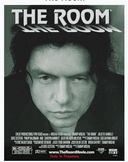
The Room
The best movie, hands down ever, by the greatest director Tommy Wiseau. A classic masterpiece produced in 2003 is still watched in theaters today. Now that is longevity!

Pineapple Express
A process server and his marijuana dealer wind up on the run from hitmen and a corrupt police officer after he witnesses his dealer's boss murder a competitor while trying to serve papers on him.