Classic and Modern Philosophy Books
Dive into the world of philosophy with this curated list of classic and modern books. From the foundational works of ancient thinkers to contemporary texts that challenge current perspectives, these books offer profound insights into human nature, society, and the universe. Whether you’re a seasoned philosopher or a curious newcomer, this collection will guide you through the essential readings that have shaped and continue to influence philosophical thought. If your favorite philosophical work isn’t here, feel free to add it and share its wisdom with others.
Frequently asked questions
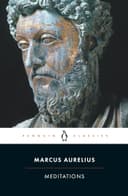
'Meditations' is a series of personal writings by Marcus Aurelius, the Roman Emperor, reflecting on Stoic philosophy. It provides practical advice on personal conduct and offers historical insights into Roman times. The themes explored in this work remain relevant even two thousand years later, making it a profound read for anyone interested in philosophy.
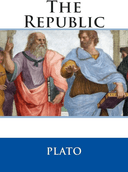
'The Republic' is a Socratic dialogue that discusses the definition of justice and the nature of the just city-state and individual. Written around 380 BC, it has significantly shaped Western thought and remains relevant today. The dialogue explores complex ideas such as the theory of forms and the role of philosopher-kings, making it a cornerstone of political theory and philosophy.
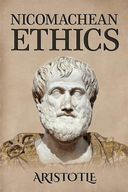
'Nicomachean Ethics' is a foundational text in Western philosophy that examines ethical virtue and the path to a fulfilling life. Aristotle discusses concepts such as happiness (eudaimonia), virtue (arete), and practical wisdom (phronesis). This work is essential for understanding moral and intellectual virtues and how they can be achieved through habitual practice and rational deliberation.
'Meditations' offers practical advice that is applicable to contemporary life, addressing personal conduct and resilience. The reflections of Marcus Aurelius provide insights into dealing with challenges and maintaining a philosophical mindset, making it a timeless resource for readers seeking guidance in their own lives.
'The Republic' explores the meaning of justice through dialogues between Socrates and various participants. It examines whether the just man is happier than the unjust man and discusses the ideal city-state ruled by philosopher-kings. This exploration of justice has influenced countless philosophical and political discussions throughout history.
While 'Nicomachean Ethics' is a profound work, it can be dense and complex, requiring careful reading and contemplation. The intricate discussions on ethics and virtue may pose challenges for some readers, but the insights gained are invaluable for those interested in philosophy and ethical living.