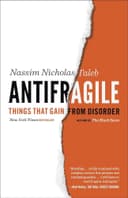
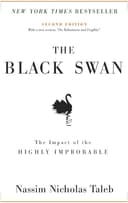
Some of the best philosophy books that delve into uncertainty and risk include 'Antifragile: Things That Gain from Disorder' by Nassim Nicholas Taleb, which introduces the concept of antifragility and how systems can thrive in chaos. Another notable book is 'The Black Swan,' also by Taleb, which discusses the impact of rare and unpredictable events. These works challenge conventional thinking and provide insights into managing risk and embracing uncertainty.
'Antifragile: Things That Gain from Disorder' by Nassim Nicholas Taleb explores how certain systems and entities can benefit from stress and chaos. Taleb introduces the idea of antifragility, which goes beyond mere resilience, suggesting that embracing uncertainty can lead to innovation and success. The book is filled with practical wisdom and real-world examples, making it essential for those interested in risk management and personal development.
'The Black Swan' by Nassim Nicholas Taleb is a seminal work that examines the profound effects of rare and unpredictable events, termed 'Black Swans.' Taleb critiques traditional forecasting methods and emphasizes the need for resilience in the face of uncertainty. The book is rich with philosophical insights and real-world examples, making it crucial for anyone interested in understanding risk and the unpredictable nature of our world.
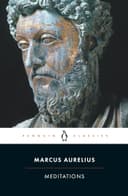
'Meditations' is a series of personal writings by Marcus Aurelius, offering profound insights into Stoic philosophy and personal conduct. Written during his reign as Roman Emperor, the book reflects on themes of virtue, duty, and the human condition. Its timeless relevance and practical advice make it a valuable read for anyone seeking wisdom on how to navigate life's challenges.
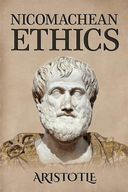
'Nicomachean Ethics' by Aristotle is a foundational text in Western philosophy that explores the nature of ethical virtue and the path to a fulfilling life. Aristotle discusses concepts such as happiness (eudaimonia), virtue (arete), and practical wisdom (phronesis). The work emphasizes the importance of habitual practice and rational deliberation in achieving moral and intellectual virtues, making it essential reading for students of philosophy and ethics.
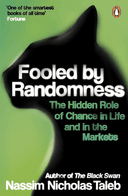
'Fooled by Randomness' by Nassim Nicholas Taleb examines the role of chance in our lives and how we often misinterpret random events as meaningful patterns. Through personal anecdotes and philosophical insights, Taleb encourages readers to rethink their understanding of success and failure, particularly in finance and business. The book provides a thought-provoking analysis of randomness and its implications, making it a compelling read for those interested in probability and decision-making.
This list features philosophy books that explore complex ideas about uncertainty, risk, and the nature of knowledge. These works challenge conventional thinking and encourage readers to consider the implications of randomness and resilience in life and decision-making.

"Antifragile: Things That Gain from Disorder" by Nassim Nicholas Taleb is a groundbreaking exploration of systems and entities that thrive and grow stronger in the face of stress, volatility, and chaos. Taleb introduces the concept of "antifragility," which goes beyond resilience or robustness. Through a mix of philosophy, practical wisdom, and real-world examples, Taleb illustrates how embracing uncertainty and leveraging disorder can lead to success and innovation. This book is essential for anyone interested in risk management, personal development, and understanding how to benefit from uncertainty and change.

Skin in the Game may be nice but The Black Swan is the OG Nicholas Taleb. Read this book to learn how to think and avoid biases and reread at least once very couple of years.

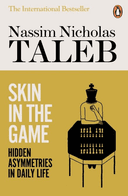
Skin in the Game: Hidden Asymmetries in Daily Life is a nonfiction book by Nassim Nicholas Taleb, published in 2018. Taleb’s main point is pretty simple: people should share in the risks of the decisions they make. If you benefit from something, you should also face the downsides if things go wrong. He calls this having “skin in the game.” Without that, people can make reckless choices that hurt others while staying safe themselves. The book covers everything from politics and business to religion and everyday life. Taleb doesn’t hold back on criticism. He talks about how some policymakers and financial experts make decisions that affect millions but don’t suffer when those decisions backfire. He uses examples like bankers profiting during booms but getting bailed out during crashes. Taleb also goes after what he calls “Intellectual Yet Idiot” types—educated people who, in his view, complicate things and give advice without understanding real-world consequences. He argues that real knowledge comes from doing and risking something yourself, not just sitting in a classroom or writing articles. One part of the book dives into how stubborn minorities—like people who strictly follow certain dietary rules—can influence the majority’s choices without even trying. There’s even a section where he talks about religion, saying that the idea of God taking human form (in Christianity) is the ultimate example of having skin in the game. Taleb’s writing style is direct, sometimes blunt, and he isn’t shy about calling out what he sees as nonsense. The book is part of his Incerto series, which looks at uncertainty and risk in modern life. Some people love his no-nonsense approach; others find him a bit too combative. Either way, Skin in the Game is about accountability—if you play the game, you should be prepared to take a hit when things go south.

"The Black Swan" by Nassim Nicholas Taleb is a seminal work that explores the profound impact of rare and unpredictable events, termed "Black Swans." Taleb argues that these events, which are often overlooked or underestimated, have massive consequences on our world. He highlights the limitations of traditional forecasting methods and emphasizes the need for resilience and adaptability in the face of uncertainty. Blending philosophy, economics, and personal anecdotes, Taleb provides a compelling critique of our understanding of risk and uncertainty. This book is essential for anyone interested in risk management, economics, and understanding the unpredictable nature of our world.

From wikipedia: Meditations is a series of personal writings by Marcus Aurelius, Roman Emperor from AD 161 to 180, recording his private notes to himself and ideas on Stoic philosophy. Meditations are worth reading if only to get a glimpse at the thoughts of a man who lived a life in truly extraordinary circumstances of being a Roman Emperor. It's surprising how relevant the themes of his diaries are two thousand years later.

EliteReads is a curated digital library designed to help ambitious readers discover the exact books recommended by some of the most successful and influential minds in the world. Instead of relying on generic bestseller lists or algorithm-driven suggestions, the platform focuses on verified recommendations directly sourced from interviews, podcasts, public reading lists, and official statements. By connecting readers to the intellectual foundations of elite performers, EliteReads offers a unique pathway into the ideas, philosophies, and mental models that have shaped leaders across technology, business, investing, and culture. The platform features recommendations from globally recognized figures such as Elon Musk, Bill Gates, Warren Buffett, Jeff Bezos, Mark Zuckerberg, Barack Obama, Oprah Winfrey, Steve Jobs, Tim Ferriss, Naval Ravikant, Sam Altman, Satya Nadella, Ray Dalio, Peter Thiel, Richard Branson, Jensen Huang, and Sheryl Sandberg. Each recommendation is carefully traced back to its original source, ensuring authenticity and transparency. This verification process makes EliteReads a trusted archive of the books that have directly influenced some of the most impactful decisions, innovations, and leadership philosophies of modern times. The library includes thousands of curated titles across categories such as business, psychology, technology, philosophy, and personal development. Popular recommendations include Sapiens: A Brief History of Humankind, Zero to One, The 4-Hour Workweek, Tools of Titans, Man's Search for Meaning, Extreme Ownership, and Creativity, Inc.. These works represent the intellectual building blocks behind many groundbreaking companies, investment strategies, and leadership approaches. EliteReads allows users to browse recommendations by individual elite figures, explore the most frequently recommended books, or search by topic or category. This structure enables readers to understand not only what successful people read, but also how certain books influence multiple leaders across industries. Seeing patterns in recommendations helps users identify timeless ideas and powerful concepts that consistently contribute to success. In addition to its searchable archive, EliteReads offers weekly curated recommendations delivered directly to subscribers. These selections highlight one influential book at a time, allowing readers to steadily build a high-quality reading habit without feeling overwhelmed. The platform’s manifesto emphasizes intentional learning, arguing that behind every successful individual is a collection of books that shaped their thinking. Ultimately, EliteReads serves as an intellectual shortcut for readers who want to learn directly from the minds of proven achievers. By removing guesswork and focusing on verified, meaningful recommendations, the platform empowers users to access the same knowledge sources that helped shape world-class entrepreneurs, investors, and visionaries. It transforms reading from a passive activity into a strategic advantage, helping readers accelerate personal growth, sharpen decision-making, and develop the mindset needed to succeed at the highest level.

"Nicomachean Ethics," written by the ancient Greek philosopher Aristotle, is a foundational text in Western philosophy. This work explores the nature of ethical virtue and the path to a good and fulfilling life. Aristotle delves into concepts such as happiness (eudaimonia), virtue (arete), and the importance of practical wisdom (phronesis). The text is a detailed examination of how individuals can achieve moral and intellectual virtues through habitual practice and rational deliberation.

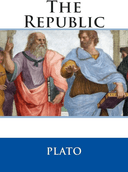
The Republic is a Socratic dialogue, written by Plato around 380 BC, concerning the definition of justice, the order and character of the just city-state and the just man—for this reason, ancient readers used the name On Justice as an alternative title (not to be confused with the spurious dialogue also titled On Justice). The dramatic date of the dialogue has been much debated and though it might have taken place some time during the Peloponnesian War, "there would be jarring anachronisms if any of the candidate specific dates between 432 and 404 were assigned". It is Plato's best-known work and has proven to be one of the most intellectually and historically influential works of philosophy and political theory. In it, Socrates along with various Athenians and foreigners discuss the meaning of justice and examine whether or not the just man is happier than the unjust man by considering a series of different cities coming into existence "in speech", culminating in a city called Kallipolis, which is ruled by philosopher-kings; and by examining the nature of existing regimes. The participants also discuss the theory of forms, the immortality of the soul, and the roles of the philosopher and of poetry in society.

"Fooled by Randomness" is a thought-provoking book by Nassim Nicholas Taleb that delves into the role of chance in our lives and how we often mistake random events for meaningful patterns. Through a mix of personal anecdotes, philosophical insights, and statistical analysis, Taleb explores how randomness affects the world of finance, business, and daily life. The book challenges readers to rethink their perceptions of success, failure, and the forces that drive outcomes. This book is ideal for readers interested in finance, probability, and the philosophical implications of randomness.

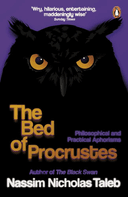
"The Bed of Procrustes" is a collection of aphorisms by Nassim Nicholas Taleb that distills his philosophical insights into short, thought-provoking statements. The title refers to the Greek myth of Procrustes, symbolizing the tendency to force things into unnatural conformity. Through these aphorisms, Taleb critiques modern society's flaws, biases, and misconceptions, offering a sharp, often humorous, commentary on topics ranging from knowledge and science to wealth and human behavior. This book is perfect for readers who enjoy deep, philosophical musings and appreciate Taleb's sharp wit and unconventional perspectives.

"Antifragile: Things That Gain from Disorder" by Nassim Nicholas Taleb is a groundbreaking exploration of systems and entities that thrive and grow stronger in the face of stress, volatility, and chaos. Taleb introduces the concept of "antifragility," which goes beyond resilience or robustness. Through a mix of philosophy, practical wisdom, and real-world examples, Taleb illustrates how embracing uncertainty and leveraging disorder can lead to success and innovation. This book is essential for anyone interested in risk management, personal development, and understanding how to benefit from uncertainty and change.

What I Talk About When I Talk About Running is a memoir by Haruki Murakami where he talks about two things that define a big part of his life: running and writing. Murakami didn’t always plan on being a novelist. He was running a jazz bar in his twenties when, while watching a baseball game, he suddenly thought, “I could write a novel.” He gave it a shot, it worked out, and he eventually sold his bar to focus on writing full-time. But sitting at a desk all day, smoking and not moving much, wasn’t doing his health any good. That’s when he picked up running. For Murakami, running is more than just exercise—it’s part of his routine and, in a way, a metaphor for writing. Both take endurance. Both are long hauls where you push yourself day after day, even when you don’t feel like it. The book follows him as he trains for marathons, competes in triathlons, and grapples with the slow decline of his physical abilities as he ages. He talks a lot about acceptance—accepting getting older, accepting bad race times, and accepting that sometimes you just don’t do as well as you hoped. His attitude is basically: That’s life. You move on. The writing style is straightforward, like he’s just talking to you over a coffee. He doesn’t dress things up. Sometimes he rambles, mentioning things like cycling habits or going off on tangents about global warming. At one point, he describes running the original marathon route in Greece—sun blazing, salt stinging his eyes, everything uncomfortable. But through it all, there’s this calm acceptance. He’s not trying to convince anyone to run; he just shares what it means to him. By the end, what sticks isn’t just the running or the writing, but the way he embraces both the highs and the lows—the post-race blues, the joy of finishing, and the satisfaction of something as simple as a cold beer after a long run. It’s a book about effort, routine, and learning to keep going, no matter what.

Skin in the Game may be nice but The Black Swan is the OG Nicholas Taleb. Read this book to learn how to think and avoid biases and reread at least once very couple of years.

By Mathew Walker - We sleep 1/3 of our life yet understand so little about it...

"Project Hail Mary" is a space adventure story written by Andy Weir, the same guy who wrote "The Martian." It's about a man named Ryland Grace who wakes up on a spaceship with no memory of who he is or why he's there. He figures out he's on a mission to save Earth from disaster. The story follows him as he tries to remember his past and complete his mission, which involves a lot of science and problem-solving. Along the way, he meets an alien, and they form an unlikely friendship. The book is full of cool science stuff, suspense, and humor. It's like a mix of a mystery and a space adventure, with a lot of heart. The narration by Ray Porter is superb, with sound effects and excellent voice work.

Skin in the Game may be nice but The Black Swan is the OG Nicholas Taleb. Read this book to learn how to think and avoid biases and reread at least once very couple of years.

A book about the circadian rhythm. Apparently, it's really misunderstood, even by your doctor. Read this book to understand your body better. It helped me improve my sleep.

“I set out to write a book about what to do to make a great work of art. Instead, it revealed itself to be a book on how to be.” —Rick Rubin

Finally realize why I'm such dumb *ss

Discover the secrets to a long, healthy, and fulfilling life with "Ikigai: The Japanese Secret to a Long and Happy Life" by Héctor García and Francesc Miralles. This insightful book delves into the Japanese concept of ikigai, or a "reason for being," which is believed to be a key factor in the remarkable longevity of the residents of Okinawa, a Japanese village known for having the world’s highest percentage of centenarians. Through interviews with these vibrant centenarians, the authors uncover how the principles of ikigai—where passion, mission, vocation, and profession intersect—contribute to their happiness and longevity. The book reveals the residents' daily practices, from their nutrient-rich diets and active lifestyles to their strong community bonds and purposeful work. "Ikigai" provides practical advice and tools to help readers discover their own ikigai, offering a blend of cultural wisdom and actionable steps towards a life filled with purpose, health, and joy. This book is a valuable resource for anyone interested in enhancing their well-being and finding deeper satisfaction in everyday life.

By Mathew Walker - We sleep 1/3 of our life yet understand so little about it...

Modern healthcare is often reactive. This is part of the reason why preventative medicine is so key.

This is the only audiobook I've ever listened to lol. But it is a very interesting story about Elon, arguably the most interesting person alive.

The great thing about this book is that it takes a big-picture view of human history. It attempts to explain the main themes of human history without getting bogged down in the details. Sapiens also debunks many popular myths about human history, including the one that people today live happier lives and have better diets than our hunter-gatherer predecessors. It comes with an epilogue about the future of humankind in light of ever-accelerating technological progress. With the recent advances in AI it is more relevant than ever. If you're going to read one book on history this year, read this one.

Long Walk to Freedom is an autobiography by South Africa's first democratically elected President Nelson Mandela, and it was first published in 1994 by Little Brown & Co. The book profiles his early life, coming of age, education and 27 years spent in prison If you're new to South African history, as I was, this is a great starting point. Why not hear from the man who played a key part in it?

"Antifragile: Things That Gain from Disorder" by Nassim Nicholas Taleb is a groundbreaking exploration of systems and entities that thrive and grow stronger in the face of stress, volatility, and chaos. Taleb introduces the concept of "antifragility," which goes beyond resilience or robustness. Through a mix of philosophy, practical wisdom, and real-world examples, Taleb illustrates how embracing uncertainty and leveraging disorder can lead to success and innovation. This book is essential for anyone interested in risk management, personal development, and understanding how to benefit from uncertainty and change.

"The Black Swan" by Nassim Nicholas Taleb is a seminal work that explores the profound impact of rare and unpredictable events, termed "Black Swans." Taleb argues that these events, which are often overlooked or underestimated, have massive consequences on our world. He highlights the limitations of traditional forecasting methods and emphasizes the need for resilience and adaptability in the face of uncertainty. Blending philosophy, economics, and personal anecdotes, Taleb provides a compelling critique of our understanding of risk and uncertainty. This book is essential for anyone interested in risk management, economics, and understanding the unpredictable nature of our world.

"Antifragile: Things That Gain from Disorder" by Nassim Nicholas Taleb is a groundbreaking exploration of systems and entities that thrive and grow stronger in the face of stress, volatility, and chaos. Taleb introduces the concept of "antifragility," which goes beyond resilience or robustness. Through a mix of philosophy, practical wisdom, and real-world examples, Taleb illustrates how embracing uncertainty and leveraging disorder can lead to success and innovation. This book is essential for anyone interested in risk management, personal development, and understanding how to benefit from uncertainty and change.

Skin in the Game may be nice but The Black Swan is the OG Nicholas Taleb. Read this book to learn how to think and avoid biases and reread at least once very couple of years.

Skin in the Game: Hidden Asymmetries in Daily Life is a nonfiction book by Nassim Nicholas Taleb, published in 2018. Taleb’s main point is pretty simple: people should share in the risks of the decisions they make. If you benefit from something, you should also face the downsides if things go wrong. He calls this having “skin in the game.” Without that, people can make reckless choices that hurt others while staying safe themselves. The book covers everything from politics and business to religion and everyday life. Taleb doesn’t hold back on criticism. He talks about how some policymakers and financial experts make decisions that affect millions but don’t suffer when those decisions backfire. He uses examples like bankers profiting during booms but getting bailed out during crashes. Taleb also goes after what he calls “Intellectual Yet Idiot” types—educated people who, in his view, complicate things and give advice without understanding real-world consequences. He argues that real knowledge comes from doing and risking something yourself, not just sitting in a classroom or writing articles. One part of the book dives into how stubborn minorities—like people who strictly follow certain dietary rules—can influence the majority’s choices without even trying. There’s even a section where he talks about religion, saying that the idea of God taking human form (in Christianity) is the ultimate example of having skin in the game. Taleb’s writing style is direct, sometimes blunt, and he isn’t shy about calling out what he sees as nonsense. The book is part of his Incerto series, which looks at uncertainty and risk in modern life. Some people love his no-nonsense approach; others find him a bit too combative. Either way, Skin in the Game is about accountability—if you play the game, you should be prepared to take a hit when things go south.

"The Black Swan" by Nassim Nicholas Taleb is a seminal work that explores the profound impact of rare and unpredictable events, termed "Black Swans." Taleb argues that these events, which are often overlooked or underestimated, have massive consequences on our world. He highlights the limitations of traditional forecasting methods and emphasizes the need for resilience and adaptability in the face of uncertainty. Blending philosophy, economics, and personal anecdotes, Taleb provides a compelling critique of our understanding of risk and uncertainty. This book is essential for anyone interested in risk management, economics, and understanding the unpredictable nature of our world.

"The Bed of Procrustes" is a collection of aphorisms by Nassim Nicholas Taleb that distills his philosophical insights into short, thought-provoking statements. The title refers to the Greek myth of Procrustes, symbolizing the tendency to force things into unnatural conformity. Through these aphorisms, Taleb critiques modern society's flaws, biases, and misconceptions, offering a sharp, often humorous, commentary on topics ranging from knowledge and science to wealth and human behavior. This book is perfect for readers who enjoy deep, philosophical musings and appreciate Taleb's sharp wit and unconventional perspectives.

"Antifragile: Things That Gain from Disorder" by Nassim Nicholas Taleb is a groundbreaking exploration of systems and entities that thrive and grow stronger in the face of stress, volatility, and chaos. Taleb introduces the concept of "antifragility," which goes beyond resilience or robustness. Through a mix of philosophy, practical wisdom, and real-world examples, Taleb illustrates how embracing uncertainty and leveraging disorder can lead to success and innovation. This book is essential for anyone interested in risk management, personal development, and understanding how to benefit from uncertainty and change.

Skin in the Game: Hidden Asymmetries in Daily Life is a nonfiction book by Nassim Nicholas Taleb, published in 2018. Taleb’s main point is pretty simple: people should share in the risks of the decisions they make. If you benefit from something, you should also face the downsides if things go wrong. He calls this having “skin in the game.” Without that, people can make reckless choices that hurt others while staying safe themselves. The book covers everything from politics and business to religion and everyday life. Taleb doesn’t hold back on criticism. He talks about how some policymakers and financial experts make decisions that affect millions but don’t suffer when those decisions backfire. He uses examples like bankers profiting during booms but getting bailed out during crashes. Taleb also goes after what he calls “Intellectual Yet Idiot” types—educated people who, in his view, complicate things and give advice without understanding real-world consequences. He argues that real knowledge comes from doing and risking something yourself, not just sitting in a classroom or writing articles. One part of the book dives into how stubborn minorities—like people who strictly follow certain dietary rules—can influence the majority’s choices without even trying. There’s even a section where he talks about religion, saying that the idea of God taking human form (in Christianity) is the ultimate example of having skin in the game. Taleb’s writing style is direct, sometimes blunt, and he isn’t shy about calling out what he sees as nonsense. The book is part of his Incerto series, which looks at uncertainty and risk in modern life. Some people love his no-nonsense approach; others find him a bit too combative. Either way, Skin in the Game is about accountability—if you play the game, you should be prepared to take a hit when things go south.

"The Black Swan" by Nassim Nicholas Taleb is a seminal work that explores the profound impact of rare and unpredictable events, termed "Black Swans." Taleb argues that these events, which are often overlooked or underestimated, have massive consequences on our world. He highlights the limitations of traditional forecasting methods and emphasizes the need for resilience and adaptability in the face of uncertainty. Blending philosophy, economics, and personal anecdotes, Taleb provides a compelling critique of our understanding of risk and uncertainty. This book is essential for anyone interested in risk management, economics, and understanding the unpredictable nature of our world.

"The Bed of Procrustes" is a collection of aphorisms by Nassim Nicholas Taleb that distills his philosophical insights into short, thought-provoking statements. The title refers to the Greek myth of Procrustes, symbolizing the tendency to force things into unnatural conformity. Through these aphorisms, Taleb critiques modern society's flaws, biases, and misconceptions, offering a sharp, often humorous, commentary on topics ranging from knowledge and science to wealth and human behavior. This book is perfect for readers who enjoy deep, philosophical musings and appreciate Taleb's sharp wit and unconventional perspectives.

"Fooled by Randomness" is a thought-provoking book by Nassim Nicholas Taleb that delves into the role of chance in our lives and how we often mistake random events for meaningful patterns. Through a mix of personal anecdotes, philosophical insights, and statistical analysis, Taleb explores how randomness affects the world of finance, business, and daily life. The book challenges readers to rethink their perceptions of success, failure, and the forces that drive outcomes. This book is ideal for readers interested in finance, probability, and the philosophical implications of randomness.

What I Talk About When I Talk About Running is a memoir by Haruki Murakami where he talks about two things that define a big part of his life: running and writing. Murakami didn’t always plan on being a novelist. He was running a jazz bar in his twenties when, while watching a baseball game, he suddenly thought, “I could write a novel.” He gave it a shot, it worked out, and he eventually sold his bar to focus on writing full-time. But sitting at a desk all day, smoking and not moving much, wasn’t doing his health any good. That’s when he picked up running. For Murakami, running is more than just exercise—it’s part of his routine and, in a way, a metaphor for writing. Both take endurance. Both are long hauls where you push yourself day after day, even when you don’t feel like it. The book follows him as he trains for marathons, competes in triathlons, and grapples with the slow decline of his physical abilities as he ages. He talks a lot about acceptance—accepting getting older, accepting bad race times, and accepting that sometimes you just don’t do as well as you hoped. His attitude is basically: That’s life. You move on. The writing style is straightforward, like he’s just talking to you over a coffee. He doesn’t dress things up. Sometimes he rambles, mentioning things like cycling habits or going off on tangents about global warming. At one point, he describes running the original marathon route in Greece—sun blazing, salt stinging his eyes, everything uncomfortable. But through it all, there’s this calm acceptance. He’s not trying to convince anyone to run; he just shares what it means to him. By the end, what sticks isn’t just the running or the writing, but the way he embraces both the highs and the lows—the post-race blues, the joy of finishing, and the satisfaction of something as simple as a cold beer after a long run. It’s a book about effort, routine, and learning to keep going, no matter what.

Even the smartest among us can feel inept as we fail to figure out which light switch or oven burner to turn on, or whether to push, pull, or slide a door. The fault, argues this ingenious -- even liberating -- book, lies not in ourselves, but in product design that ignores the needs of users and the principles of cognitive psychology. The problems range from ambiguous and hidden controls to arbitrary relationships between controls and functions, coupled with a lack of feedback or other assistance and unreasonable demands on memorization. The Design of Everyday Things shows that good, usable design is possible. The rules are simple: make things visible, exploit natural relationships that couple function and control, and make intelligent use of constraints. The goal: guide the user effortlessly to the right action on the right control at the right time. The Design of Everyday Things is a powerful primer on how -- and why -- some products satisfy customers while others only frustrate them.

David Ogilvy was considered the "father of advertising" and a creative genius by many of the biggest global brands. First published in 1963, this seminal book revolutionized the world of advertising and became a bible for the 1960s ad generation. It also became an international bestseller, translated into 14 languages. Fizzing with Ogilvy's pioneering ideas and inspirational philosophy, it covers not only advertising, but also people management, corporate ethics, and office politics, and forms an essential blueprint for good practice in business.