Recently Added
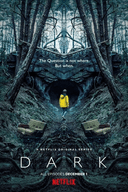
Dark
Dark is a critically acclaimed German sci-fi thriller series that delves into complex time travel and intertwining family secrets. Created by Baran bo Odar and Jantje Friese, this Netflix series spans three seasons and follows the residents of the small town of Winden as they uncover a series of mysterious events linked to different time periods. The story centers around four interconnected families and the intricate web of time loops that bind them. With its dark atmosphere and intricate plot, Dark keeps viewers captivated from start to finish.
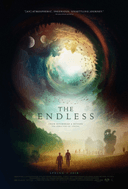
The Endless
The Endless is a captivating indie sci-fi horror film directed by and starring Justin Benson and Aaron Moorhead. Released in 2017, the movie follows two brothers, Justin and Aaron, who return to a mysterious cult they escaped from years ago. As they reconnect with the group, they discover that the cult's beliefs about a supernatural entity and time loops might be real. The film blends elements of horror, mystery, and science fiction, creating a unique and thought-provoking experience.

Edge of Tomorrow
Edge of Tomorrow is an action-packed sci-fi film that brings a thrilling twist to the time loop concept. Directed by Doug Liman and starring Tom Cruise and Emily Blunt, this 2014 movie follows Major William Cage, who is caught in a time loop during an alien invasion. Each time he dies, he wakes up to relive the same battle, gradually improving his skills and strategizing with the help of war hero Rita Vrataski. The film combines intense action sequences with clever storytelling, making for an exhilarating experience.

Palm Springs
Palm Springs is a refreshing take on the time loop genre, blending romantic comedy with science fiction. Directed by Max Barbakow and starring Andy Samberg and Cristin Milioti, this 2020 film follows the story of Nyles and Sarah, who find themselves stuck in a never-ending wedding day in the desert. As they navigate their surreal circumstances together, the movie explores themes of love, existence, and self-acceptance, all while delivering plenty of laughs and heartfelt moments.
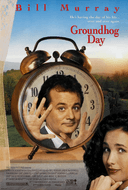
Groundhog Day
Groundhog Day is a classic comedy film that has become synonymous with the time loop genre. Directed by Harold Ramis and starring Bill Murray, this 1993 movie follows the story of Phil Connors, a cynical TV weatherman who finds himself reliving the same day over and over again while covering the annual Groundhog Day event in Punxsutawney, Pennsylvania. As Phil navigates the repetitive day, he goes through a journey of self-discovery and personal growth, making this film both hilarious and heartwarming.


Compass
Compass is an AI chatbot that answers questions with authentic, firsthand experiences, using data you can't find anywhere else online.

U.S. Embassy Warsaw
The U.S. Embassy in Warsaw is on Aleje Ujazdowskie, surrounded by other embassies and government buildings. It’s a large, modern building with tight security. The embassy handles visas, helps U.S. citizens, supports American businesses, and works on diplomatic relations with Poland. It also promotes cultural exchanges and coordinates military cooperation between the two countries. Most people go there for travel documents or official matters. It’s straightforward—focused on diplomacy, paperwork, and keeping U.S.-Poland ties strong.

Apple Music Replay
While not a standalone app, Apple Music Replay is a built-in feature that provides annual summaries of your listening habits. It compiles your top songs, albums, and artists into a personalized playlist each year.

musicat.fm
Musicat is a comprehensive website and mobile app available for Android and iOS. It connects to your Apple Music account to track your listening history, offering detailed stats, year-by-year top artists and albums, and insights into your favorite tracks. Musicat also helps you discover new music, lets you view what you were listening to on this day in the past, and enables following interesting accounts for a social music experience.
Australian Citizenship Tests
The Australian Citizenship Tests app is a tool that helps you get ready for the Australian citizenship test. It’s made to be simple and easy to use, giving you practice questions, full-length tests, and helpful study materials. The questions are based on official resources, so you’ll get a good idea of what the real test is like. You can use the app on your phone or laptop, and there’s no limit to how many practice tests you can take. The app tracks your progress, so you’ll know which topics you need to work on. There’s also a demo with audio explanations if you prefer listening while studying. The app was created by Jogi, an independent developer who originally built it to help his wife prepare for her test. He noticed there weren’t many good resources available, so he decided to make one that’s clear, useful, and easy for anyone to use. Many people have found the app helpful. Users from different countries—like Sweden, Iran, Vietnam, Brazil, and Pakistan—say it made studying less stressful and boosted their confidence. Over 3,000 people are currently using it, and the platform has recorded thousands of answered questions and practice tests taken. There’s a 7-day free trial, and if you’re not happy with it, there’s a money-back guarantee. To qualify for that, you’ll need to complete all the practice tests in the app. The prices are in US dollars, and your personal information is kept secure. If you want, you can also check out their blog for study tips, test-day advice, and information about Australian history and culture.

Vectorize.io
Turn your unstructured data into perfectly optimized vector search indexes, purpose-built for retrieval augmented generation.

Medidex Connect
Medidex Connect is your personal 24/7 online pharmacist chat service. Get quick and convenient answers to your general health and medication questions from a qualified source.



15 dollar diet coke
Remember that one time Amberlynn ordered a diet coke on uber eats because she wanted the ice from mcdonald's? iconic

Cheesecake Factory orange chicken
everyone remember the time Amber had Becky drive 4 hours to take her to cheesecake factory so she could eat orange chicken? However, it was her repetitive choice and obsession with orange chicken that made it iconic. It has to be from the Cheesecake factory though.

Elon Musk
This is the only audiobook I've ever listened to lol. But it is a very interesting story about Elon, arguably the most interesting person alive.

Howl's moving castle
Howl's moving castle features adventure and romance of an otherwise normal girl. Let's you dream about adventure.

Blade runner 2049
Blade runner has a cool and futuristic aesthetic, and relatable main character. I find the music and mood of the mood of the movie very comforting especially on cold, rainy days.

ResumeDive
ResumeDive is an AI-powered tool designed to optimize resumes by matching an individual's skills and experience with specific job requirements.



Shipped.club
Launch your startup in days, not months. Shipped.club saves you time, by providing all you need to ship your SaaS product in a fraction of the time.