Best Magical Realism Novels
This list showcases magical realism novels that blend fantastical elements with realistic settings and characters. These works often explore the complexities of human experience, inviting readers to perceive the extraordinary within the ordinary.
Frequently asked questions
Magical realism is a literary genre that incorporates fantastical elements into realistic settings. It often blurs the lines between reality and fantasy, allowing extraordinary events to occur in everyday life. This genre invites readers to explore deeper meanings and complexities of human experience.
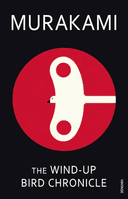
'The Wind-Up Bird Chronicle' by Haruki Murakami follows Toru Okada, a young man in Tokyo who embarks on a surreal journey to find his missing wife and cat. As he delves into a mysterious underworld, he encounters a cast of bizarre characters, blending elements of comedy, menace, and prophecy. This novel is celebrated for its captivating narrative and depth.
This novel is highly regarded for its intricate storytelling and the way it masterfully intertwines the mundane with the extraordinary. Readers appreciate Murakami's unique style, which combines philosophical themes with engaging characters, making it a long and captivating read.
Pros of 'The Wind-Up Bird Chronicle' include its status as one of Murakami's best works and its ability to captivate readers with its length and depth. However, a noted con is that some chapters were cut in the English translation, which may affect the reading experience for some.
Other notable magical realism novels include 'One Hundred Years of Solitude' by Gabriel García Márquez, 'The House of the Spirits' by Isabel Allende, and 'Like Water for Chocolate' by Laura Esquivel. Each of these works explores the blend of magical elements with rich cultural and historical contexts.