Best LLM Monitoring Tools
This list includes LLM monitoring tools designed to track and analyze the performance of large language models. These tools provide insights into model behavior, ensuring optimal functionality and compliance with usage standards.
Frequently asked questions
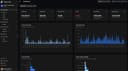
Fallom is an AI-native observability platform specifically designed for monitoring large language models (LLMs) and agent workloads. It provides comprehensive insights into every LLM call in production, including detailed end-to-end tracing of prompts, outputs, tool calls, tokens, latency, and per-call costs. Fallom also offers session, user, and customer-level context, along with timing waterfalls for multi-step agents. Additionally, it includes enterprise-ready audit trails with logging, model versioning, and consent tracking to ensure compliance with usage standards. With its OpenTelemetry-native SDK, teams can quickly instrument their applications, monitor usage in real-time, debug issues more efficiently, and manage spending across different models, users, and teams.
Monitoring the performance of large language models (LLMs) is crucial for several reasons. It helps ensure that the models are functioning optimally and meeting user expectations. By tracking model behavior, organizations can identify and address issues such as latency, errors, and unexpected outputs. Additionally, monitoring supports compliance with usage standards and regulations, as it provides necessary audit trails and logging. This oversight is essential for maintaining trust and accountability in AI applications, especially in sensitive or high-stakes environments.
When selecting an LLM monitoring tool, consider features such as end-to-end tracing of model calls, real-time monitoring capabilities, detailed logging and audit trails, and support for compliance tracking. Look for tools that provide insights into latency, token usage, and cost attribution across different models and users. Additionally, features like session and user-level context, as well as the ability to debug issues quickly, can significantly enhance the effectiveness of the monitoring process. Integration with existing systems and ease of use are also important factors to consider.