Best Aristotle Books
This list encompasses significant works authored by Aristotle, a foundational figure in Western philosophy. These texts explore a range of topics, including ethics, politics, metaphysics, and natural sciences, reflecting Aristotle's profound influence on various fields of study.
Frequently asked questions
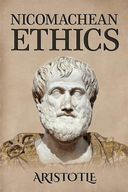
'Nicomachean Ethics' is a foundational text in Western philosophy written by Aristotle. It explores the nature of ethical virtue and the path to a good and fulfilling life. Aristotle discusses concepts such as happiness (eudaimonia), virtue (arete), and the significance of practical wisdom (phronesis). The work provides a detailed examination of how individuals can achieve moral and intellectual virtues through habitual practice and rational deliberation.
'Nicomachean Ethics' is considered essential reading for students of philosophy and ethics because it offers profound reflections on ethics and the good life. It emphasizes the importance of practical wisdom and provides insights into how individuals can cultivate moral virtues, making it a crucial text for understanding ethical theory.
The pros of reading 'Nicomachean Ethics' include its status as essential reading for philosophy students, its emphasis on practical wisdom, and its profound reflections on ethics and the good life. However, a con is that the text can be dense and complex, which may pose challenges for some readers.