Best 21st Century Books
This list showcases notable books from the 21st century that have made significant cultural and intellectual impacts. These works reflect contemporary themes and ideas, offering insights into various aspects of modern life and thought.
Frequently asked questions
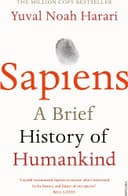
'Sapiens: A Brief History of Humankind' by Yuval Noah Harari offers a sweeping overview of human history, exploring key themes without getting lost in minutiae. The book challenges common misconceptions about the happiness and diets of modern humans compared to our hunter-gatherer ancestors. It also includes a thought-provoking epilogue discussing the future of humanity in the context of rapid technological advancements, making it particularly relevant in today's age of AI.
'Sapiens' is regarded as a significant book of the 21st century due to its ability to distill complex historical narratives into accessible insights. It encourages readers to rethink their understanding of human history and our place in the world, addressing contemporary issues such as technology's impact on society. Its broad appeal and critical acclaim have sparked discussions across various fields, from history to philosophy and sociology.
'Sapiens' explores several key themes, including the evolution of Homo sapiens, the development of societies, the impact of agriculture, the rise of empires, and the role of capitalism. It also delves into the myths and narratives that shape human cultures and examines the future implications of technological advancements, particularly in artificial intelligence and biotechnology.
'Sapiens' is recommended for anyone interested in understanding the broader context of human history and the forces that have shaped our societies. It appeals to readers of all backgrounds, including students, educators, and general readers who seek to engage with contemporary issues through a historical lens. Its engaging writing style makes it accessible to those who may not typically read history books.