Japanese Cuisine vs. Tantanmen
Japanese Cuisine
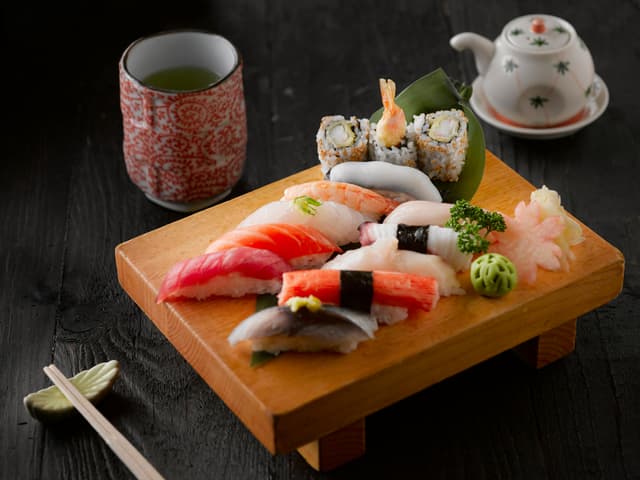
The Japanese cuisine has given us so much it's hard to even find a place to start. You've got your sushi, ramen, udon, edamame, mochi balls, tempura, soba, bento boxes, sukiyaki, gyoza, onigiri, yakisoba, miso soup... They could be number one on this list based on the sushi alone!
Tantanmen
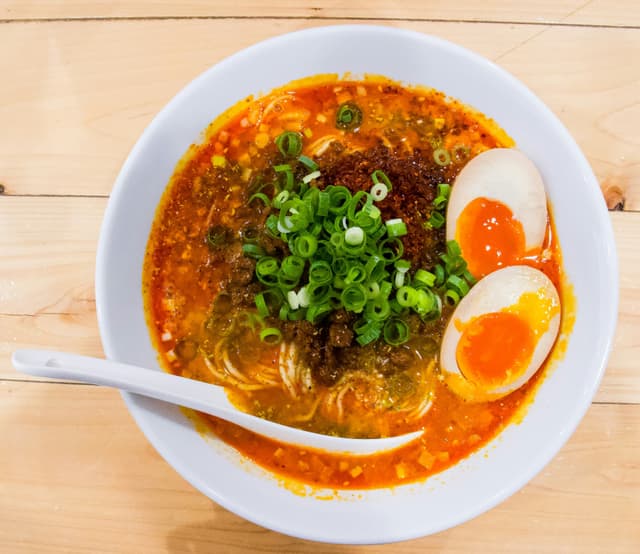
Also know as Tan Tan Ramen. This is the best ramen, period. Rich, creamy, and spicy, topped with eggs and ground pork. It has a distinctive flavor thanks to the use of chili oil and doubanjiang, a type of spicy bean paste. It originated from similar Sichuanese dish called Dandan noodles.
Pros
Cons
Pros
No pros yet, would you like to add one?
Cons
No cons yet, would you like to add one?
Frequently Asked Questions
Japanese Cuisine offers a wide variety of dishes, including sushi, ramen, and tempura, making it a versatile choice for different tastes. It is considered super healthy but can be expensive. In contrast, Tantanmen is a specific type of ramen known for its rich, creamy, and spicy flavor, but it lacks the variety that Japanese Cuisine provides. If you prefer a broader selection of healthy options, Japanese Cuisine may be the better choice, while Tantanmen is ideal for those seeking a unique and flavorful ramen experience.
Japanese Cuisine is generally considered super healthy due to its emphasis on fresh ingredients and balanced meals. Tantanmen, while delicious, is a specific dish that may not offer the same health benefits as the broader range of options found in Japanese Cuisine. Therefore, if health is a priority, Japanese Cuisine would be the better option.
While Tantanmen does not have specific pricing information available, Japanese Cuisine is noted for being expensive. Tantanmen, being a single dish, may be more affordable in comparison, especially if you are looking for a quick meal. However, the overall cost will depend on where you choose to eat and the specific offerings of each cuisine.
Pros of Japanese Cuisine include that it is super healthy. Cons of Japanese Cuisine include that it can be expensive.
Popular dishes in Japanese Cuisine include sushi, ramen, udon, edamame, mochi balls, tempura, soba, bento boxes, sukiyaki, gyoza, onigiri, yakisoba, and miso soup.
Japanese Cuisine is considered healthy due to its emphasis on fresh ingredients, balanced meals, and cooking methods that preserve nutrients. Dishes often include fish, vegetables, rice, and soy products, which contribute to a nutritious diet.
Yes, Japanese Cuisine can be expensive, especially when dining at high-end sushi restaurants or ordering specialty items. However, there are also more affordable options like ramen shops and casual eateries.
Tantanmen, also known as Tan Tan Ramen, is a rich, creamy, and spicy ramen dish. It is topped with eggs and ground pork and has a distinctive flavor thanks to the use of chili oil and doubanjiang, a type of spicy bean paste. It originated from a similar Sichuanese dish called Dandan noodles.
The main ingredients in Tantanmen include ramen noodles, eggs, ground pork, chili oil, and doubanjiang (a type of spicy bean paste). These ingredients contribute to its rich, creamy, and spicy flavor.
Tantanmen originated from a similar Sichuanese dish called Dandan noodles. Over time, it has evolved into its current form, gaining popularity for its rich and spicy broth.
Tantanmen is distinctive due to its rich, creamy, and spicy broth, which is flavored with chili oil and doubanjiang (spicy bean paste). The combination of these ingredients creates a unique and flavorful ramen experience.
