🍽️Best Cuisines
This list showcases a diverse array of cuisines from around the world, each offering unique flavors and culinary traditions. From aromatic spices to hearty dishes, these cuisines reflect the rich cultural heritage and cooking techniques of their respective regions.
- 0

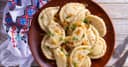
Polish cuisine is all about comfort, rich flavors, and tradition. It’s the kind of food that sticks to your ribs, perfect for long winters and big family gatherings. Think hearty soups, meat-heavy dishes, and a lot of potatoes, cabbage, and bread. Pierogi are probably the most famous Polish dish—soft dumplings filled with anything from potato and cheese to meat, mushrooms, or sweet fruits. Then there’s bigos, a slow-cooked hunter’s stew packed with sauerkraut, fresh cabbage, sausage, and sometimes even wild game. It’s the kind of dish that gets better the longer it sits. If you like schnitzel, you’ll love kotlet schabowy, a breaded pork cutlet usually served with mashed potatoes and pickled cucumber salad. And for something truly Polish, there’s żurek—a sour rye soup with sausage and egg, often served in a bread bowl. Poland is also big on fermented foods like ogórki kiszone (pickled cucumbers) and kapusta kiszona (sauerkraut), which add a tangy kick to meals. And if you have a sweet tooth, Polish desserts won’t disappoint—pączki (fluffy doughnuts filled with rose jam), sernik (a dense cheesecake), and makowiec (a poppy seed roll) are just the start. To wash it all down? Vodka, of course. Poland has been perfecting it for centuries. But if you prefer something milder, there’s always hot tea with lemon or kompot, a homemade fruit drink. Polish food is all about big portions, simple ingredients, and bold flavors. It’s the kind of cooking that makes you feel at home, no matter where you’re from.
- 0

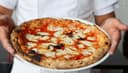
The OG pizza. The minimalist pizza. Cheese, tomato sauce, and basil leaves. What else does a pizza need?
- 0

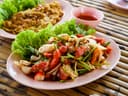
Thai cuisine is all about bold flavors, fresh ingredients, and a balance of sweet, sour, salty, bitter, and spicy tastes. Every meal feels like a mix of contrasts that somehow just works. You’ve got fragrant herbs like lemongrass, Thai basil, and kaffir lime leaves, paired with staples like fish sauce, chili, and coconut milk. Rice is at the heart of it all—jasmine rice is common in central and southern Thailand, while sticky rice rules up north and in the northeast. Meals are usually shared. There’ll be a spread of dishes—maybe a curry, a stir-fry, a soup, and a salad—all eaten with rice in the middle. The idea is to balance flavors across the meal rather than in just one dish. You might get the rich creaminess of massaman curry alongside the sharp, spicy crunch of som tam (green papaya salad) and the comforting warmth of a clear broth like tom yum. Street food is a huge part of everyday life. Walk down any road and you’ll find vendors grilling skewers of marinated meat, tossing noodles in sizzling woks, or dishing up hot bowls of noodle soup. Grab a plate of pad Thai, a bag of fried chicken with sticky rice, or a steaming bowl of boat noodles from a floating market. And if you’ve got a sweet tooth, there’s mango sticky rice, coconut-based desserts, and crispy pancakes filled with sweet custard. Different regions have their own twist. In the north, dishes like khao soi—a curry noodle soup topped with crispy noodles—are popular, while the northeast (Isan) is known for grilled meats, sticky rice, and punchy salads. Down south, expect fiery curries with plenty of coconut milk and fresh seafood. Even breakfast can be exciting—sometimes just rice and an omelet, other times noodle soups or patongko (Thai donuts) with sweetened condensed milk. No matter where you go in Thailand, the food is vibrant, flavorful, and often made to be enjoyed with others. It’s comforting, lively, and always about that perfect mix of flavors.
- 0

The one that we all know and love. Pizza, pasta, risotto, gnocchi, tortellini and many, many more. Also ice cream aka gelato. And limoncello. And wine. Italians love food and it shows.
- 0

The one that we all know and love! Tacos, nachos, burritos, guacamole, quesadilla, tamales - I could go on and on! Spicy, tasty and full of fresh ingredients.
- 0

The Japanese cuisine has given us so much it's hard to even find a place to start. You've got your sushi, ramen, udon, edamame, mochi balls, tempura, soba, bento boxes, sukiyaki, gyoza, onigiri, yakisoba, miso soup... They could be number one on this list based on the sushi alone!
- 0

Portuguese cuisine stands as a prime contender for the title of the best food in the world, thanks to its rich culinary traditions, emphasis on fresh ingredients, and a harmonious blend of flavours that reflect its historical maritime prowess. Here's a compelling argument that underscores why Portuguese food deserves this accolade: Diversity Influenced by History and Geography Portuguese food is a palimpsest of the various cultures that have interacted with Portugal over centuries. From the Age of Discoveries when Portuguese explorers brought back spices from Africa and Asia, to the integration of New World crops such as tomatoes and potatoes, the cuisine reflects a synthesis of global flavours uniquely blended with traditional Iberian techniques. This historical melding of east and west, north and south, makes Portuguese cuisine not only diverse but uniquely rich and varied. Focus on High-Quality, Fresh Ingredients At the heart of Portuguese cuisine is the use of fresh, high-quality ingredients. The country's extensive coastline provides an abundance of fresh seafood, from sardines and bacalhau (dried and salted cod) to octopus and various shellfish, which are staples in the Portuguese diet. The emphasis on fresh, local produce and the traditional farming and fishing techniques enhance the natural flavours of the ingredients, allowing for dishes that are both simple and profoundly satisfying. Culinary Techniques that Enhance Flavour Portuguese cooking methods themselves are a testament to a culinary tradition that prioritises flavour. The use of 'cataplana' (a clam-shaped cooker) seals in the flavours and juices of the ingredients, while techniques such as grilling over charcoal infuse dishes with a smoky richness that is hard to replicate. The simplicity of seasoning, primarily using piri-piri (small fiery chillies), garlic, and olive oil, underscores the natural tastes of the ingredients rather than overpowering them.
- 0

LF Concept est un cuisiniste indépendant basé à Toulouse. L’entreprise conçoit et réalise des cuisines ainsi que des aménagements intérieurs sur mesure, qui s'adaptent aux envies et aux contraintes de chaque client. Elle accompagne les particuliers sur toutes les étapes de leurs projets, de la conception à la pose, avec une approche personnalisée et soignée.
Frequently Asked Questions
Thai cuisine is known for its bold flavors and aromatic spices. It often features fresh ingredients and a wide variety of dishes. Signature dishes include tom yum soup, pad thai, and various curries. The cuisine is characterized by its spiciness, which can be intense, and it is also considered affordable.
Polish cuisine is hearty and comforting, featuring a lot of cheese, meat, potatoes, and cabbage. It is famous for its soups and traditional dishes like pierogi, bigos, kiełbasa, gołąbki, and borsch. The flavors are rich and satisfying, making it a beloved choice for many.
Margherita Pizza is the classic Italian pizza known for its simplicity. It consists of just three main ingredients: cheese, tomato sauce, and fresh basil leaves. This minimalist approach highlights the quality of each ingredient, making it a favorite among pizza lovers.
Mexican cuisine is vibrant and diverse, featuring popular dishes like tacos, nachos, burritos, guacamole, quesadillas, and tamales. It is known for its use of fresh ingredients and a variety of spices, making it both flavorful and satisfying.
Italian cuisine is renowned worldwide for its deliciousness and variety. It includes iconic dishes such as pizza, pasta, risotto, and gnocchi, along with delightful desserts like gelato. The emphasis on fresh ingredients and traditional cooking methods reflects the Italian passion for food.
Japanese cuisine is celebrated for its healthiness and variety. It includes dishes like sushi, ramen, udon, and tempura, showcasing fresh ingredients and meticulous preparation. The cuisine is not only delicious but also visually appealing, often emphasizing seasonal ingredients.
Portuguese cuisine is praised for its rich culinary traditions and emphasis on fresh, high-quality ingredients. It reflects a blend of various cultural influences and features diverse dishes that highlight seafood, local produce, and traditional cooking techniques. The focus on flavor and simplicity makes it a standout in global cuisine.