Best Historical Sites
This list showcases significant historical sites that offer a glimpse into the past and reflect the cultural heritage of various regions. Each site is a testament to architectural achievements and historical events, inviting exploration and appreciation of history.

Frequently asked questions
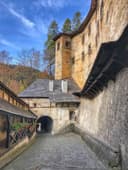
Oravský Podzámok is known for its proximity to Orava Castle, one of Slovakia's most famous medieval fortresses. The village has a rich history dating back to the first millennium and features several historical sites, including the Church of St. John of Nepomuk and various 18th and 19th-century buildings. The castle itself showcases architectural styles from the 13th to the 17th century and houses a museum with historical artifacts.
Visitors to Malbork Castle can expect to see one of the largest brick castles in the world, built by the Teutonic Knights in the 13th century. The castle features towering walls, grand halls, and a museum displaying medieval artifacts, weapons, and amber craftsmanship. The castle's courtyards and chambers provide a glimpse into medieval life, making it a fascinating destination for history enthusiasts.
Besides visiting the castle, Malbork offers activities such as boat trips on the Nogat River for unique views of the castle, kayaking for a more active adventure, and exploring the surrounding countryside filled with fields and forests. The city also hosts the "Siege of Malbork" festival in the summer, featuring reenactments of historical battles, and has a large park and a dinosaur-themed amusement park for families.
Oravský Podzámok holds historical significance as a settlement that has existed since the first millennium, primarily associated with Orava Castle. It was a center for castle workers and farmers under noble families and has maintained its historical charm through its architecture and cultural heritage, making it a valuable site for understanding the region's past.
Malbork is considered a must-see for history lovers due to its impressive medieval castle, which is a UNESCO World Heritage Site. The castle's historical significance as the headquarters of the Teutonic Knights, along with its well-preserved architecture and the rich history showcased in its museum, provides a captivating experience for those interested in medieval history.