Home
Auto list · updated automatically

Best Affordable Cities

This list showcases affordable cities that offer a rich cultural experience without breaking the bank. These urban destinations are known for their budget-friendly accommodations, dining options, and activities, making them ideal for travelers seeking value.
3Items
0Contributors
0Votes
Sort by
  1. 1Warsaw, Poland

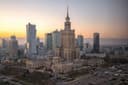
    Warsaw is the capital of Poland, sitting on the Vistula River in the east-central part of the country. With nearly 1.9 million people in the city and over 3 million in the wider metropolitan area, it’s Poland’s biggest city. It’s a place where old and new collide—modern skyscrapers stand next to rebuilt historic districts, and its skyline is a mix of glass towers and ornate churches. The Old Town, destroyed in World War II and painstakingly rebuilt, is now a UNESCO World Heritage Site. Walking through its cobblestone streets, you’ll find the Royal Castle and the colorful Market Square. Not far off is the Royal Route, a stretch of old palaces, churches, and the Presidential Palace, leading down to the grand Wilanów Palace and its gardens. Despite the scars of war—most of the city was flattened during WWII—Warsaw bounced back fast. The post-war communist era left a mark with grey apartment blocks and the towering Palace of Culture and Science, a gift from the Soviet Union that’s still one of the tallest buildings in Poland. Now, Warsaw’s business district is full of sleek glass skyscrapers, including the Varso Tower, the tallest in the EU. Green spaces are everywhere. Łazienki Park, home to peacocks and the Chopin monument, is a popular spot for Sunday strolls. The Vistula Riverbanks are packed with bars and cycling paths in summer. Even with its urban sprawl, about a quarter of the city is covered by parks and forests. Warsaw’s history is complicated. It was once a cultural melting pot, with a large Jewish community before the Holocaust. The city remembers that past with places like the POLIN Museum and the remnants of the Warsaw Ghetto. It also honors its wartime resistance, especially the 1944 Warsaw Uprising, with monuments and the powerful Uprising Museum. The city’s cultural life is rich. It hosts jazz festivals, classical concerts (especially anything Chopin-related), and has a buzzing nightlife. Food-wise, you’ll find everything from traditional Polish pierogi and hearty soups to modern vegan spots and Michelin-starred restaurants. There’s even a strong café culture, with old-school spots alongside trendy coffee bars. Weather in Warsaw is typical for Central Europe—cold, snowy winters and warm, sometimes stormy, summers. Spring and autumn can be mild and pleasant, though the weather can change quickly. In short, Warsaw is a city of contrasts. It’s got a tragic past but a vibrant present, blending historic charm with modern energy. Whether you’re wandering through its parks, exploring museums, or sipping coffee along the river, there’s plenty to take in.

    0
  2. 2Bangkok, Thailand

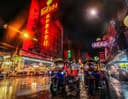
    Bangkok is the capital of Thailand and its biggest city. It sits along the Chao Phraya River in central Thailand, spreading out over a large area with nearly 9 million people living in the city itself and over 17 million in the surrounding region. It’s a place that mixes old traditions with modern life. On one side, you’ve got ancient temples like Wat Pho and Wat Arun, and on the other, you’ve got massive shopping malls and skyscrapers. The city has been around for a long time, starting as a small trading post in the 15th century. It became the capital in 1782 when King Rama I moved it to the eastern bank of the river. Over the years, Bangkok has seen a lot—colonial pressures, modernization, political protests, and economic growth. It really took off in the 1980s and 1990s when foreign companies started setting up shop there. Bangkok is known for being busy and full of life. The streets are packed with cars, motorbikes, and tuk-tuks, which often leads to heavy traffic. Despite efforts to improve public transportation with skytrains and subways, traffic jams are still a common headache. The air can get polluted, but things have improved since the 1990s. Tourism plays a huge role in the city. People from around the world come to see places like the Grand Palace or enjoy the street food. Markets like Chatuchak and floating markets offer everything from clothes to local snacks. Khao San Road is popular with backpackers, full of budget hostels, bars, and street vendors. The city has a vibrant culture. Festivals like Songkran (Thai New Year) turn the streets into massive water fights, and during Loi Krathong, people float little boats with candles on the water. Bangkok also has a wild nightlife scene, ranging from lively bars to well-known red-light districts. There are two sides to Bangkok—modern malls, luxury hotels, and fine dining on one side, and narrow alleyways with street food stalls and local markets on the other. It’s a city that can feel overwhelming with the heat, traffic, and crowds, but it’s also full of energy, surprises, and contrasts.

    0
  3. 3Katowice

    Katowice is not the first Polish city that comes to mind when people think about travel, but that’s exactly why it’s worth a visit. It’s a city that doesn’t try to impress with postcard-perfect charm. Instead, it tells a story—of industry, transformation, and resilience. Once a coal-mining powerhouse, Katowice was built on the backs of steelworkers and miners. It used to be all about factories, smokestacks, and the hum of heavy machinery. But things changed. Over the past few decades, Katowice has reinvented itself into a modern, creative city that embraces its past without being weighed down by it. The city’s industrial roots are still visible, especially in neighborhoods like Nikiszowiec and Giszowiec—once workers’ settlements, now some of the most atmospheric areas to explore, with red-brick buildings, cobblestone streets, and cafés that mix old-school charm with new energy. Katowice’s skyline tells the story of this transformation. The Spodek—a flying saucer-shaped arena from the communist era—stands next to the sleek, glass-covered buildings of the Cultural Zone, home to the National Radio Symphony Orchestra, the new Silesian Museum, and the International Congress Centre. These spaces, built on the grounds of a former coal mine, now host concerts, exhibitions, and business summits. For music lovers, Katowice is a hidden gem. It’s a UNESCO City of Music, home to everything from underground jazz clubs to world-class electronic festivals like OFF Festival and Tauron Nowa Muzyka. And then there’s the unexpected greenery. Despite its industrial image, Katowice is one of Poland’s greenest cities, with parks, forests, and lakes just a short walk from the city center. Places like Dolina Trzech Stawów (the Valley of Three Ponds) or the vast Silesian Park offer space to breathe. Katowice isn’t about tourist clichés. It’s about real life, real history, and a city that has learned to move forward while honoring where it came from. If you like cities with a raw, authentic vibe—where industrial grit meets creative energy—Katowice might just surprise you.

    0
Good to know

Frequently asked questions

feedback