Best Next.js Templates
This list showcases a variety of Next.js templates designed to streamline web development and enhance user experience. These templates provide developers with pre-built components and layouts, facilitating the creation of dynamic and responsive applications using the Next.js framework.
Frequently asked questions
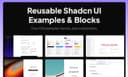
One of the top-rated Next.js templates is Shadcn Examples. This platform offers a vast collection of reusable UI examples, application templates, and interface blocks designed for modern frontend technologies like React, Tailwind CSS, and Next.js. It provides developers with pre-designed UI components that can be easily integrated into projects, covering various application categories such as admin dashboards, e-commerce pages, and social media apps. Shadcn Examples emphasizes flexibility and modularity, allowing developers to quickly assemble full applications using reusable blocks, making it an excellent choice for those looking to streamline their web development process.
Shadcn Examples enhances the development process by providing a wide range of pre-built UI components and templates that save developers significant design and development time. The platform focuses on reusable 'blocks' that can be combined to create full applications quickly. Additionally, it offers live demos for each example, allowing developers to evaluate layouts and responsiveness before integrating them into their projects. This approach not only accelerates frontend development but also ensures that the applications built are visually appealing and functionally robust.
Using Shadcn Examples, developers can build a variety of applications, including admin dashboards, chat applications, Kanban boards, e-commerce sites, authentication systems, and more. The templates are designed to be flexible and responsive, making them suitable for different types of web applications, including those in the AI SaaS and startup ecosystem. The modular nature of the components allows for quick assembly of complex interfaces, catering to the needs of startups and indie developers looking to launch products efficiently.
Yes, Shadcn Examples is suitable for developers using various frontend frameworks. While many of the templates are built with React and Next.js, the platform also supports implementations in Vue.js and Svelte. This flexibility makes it an attractive resource for developers working with different technology stacks, allowing them to leverage high-quality UI components regardless of their preferred framework.