Best Healthcare Technologies
This list encompasses various healthcare technology innovations that enhance patient care and streamline medical processes. From telemedicine platforms to electronic health records, these technologies are transforming the healthcare landscape and improving accessibility for patients and providers alike.
- 1
 0
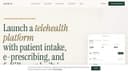
0Remedora is an all-in-one telehealth infrastructure platform designed to help modern healthcare brands launch, operate, and scale without the complexity of managing multiple disconnected systems. Instead of forcing operators to piece together separate tools for patient intake, clinical workflows, e-prescribing, and pharmacy fulfillment, Remedora provides a unified solution that handles the entire lifecycle of a patient journey. This integrated approach allows healthcare businesses to move faster, reduce operational friction, and maintain a high standard of compliance from day one. At the core of Remedora is its ability to streamline patient intake in a way that feels both professional and efficient. The platform enables businesses to create branded, adaptive intake experiences where patients are guided through personalized questionnaires based on their symptoms, medical history, and risk factors. This adaptive logic ensures that each patient follows the most relevant path, while also preparing all necessary data for clinical review. Consent collection, identity verification, and eligibility checks are built directly into the workflow, allowing care teams to operate with clarity and confidence without needing additional systems. Once patient data is captured, Remedora seamlessly transitions into clinical decision-making and prescription management. The platform includes built-in e-prescribing capabilities, allowing healthcare providers to review cases, approve treatments, and issue prescriptions within the same environment. Orders are then routed through an integrated fulfillment system that coordinates with pharmacies, tracks shipment status, and manages exceptions. By keeping everything within a single operating system, Remedora eliminates the delays and errors that often occur when data must be transferred between separate tools. Another key strength of the platform is its focus on telehealth eCommerce. Remedora connects the entire patient journey—from the initial storefront interaction to intake, consultation, prescription, and eventual reorder cycles. This unified flow enables operators to optimize conversion rates, increase customer lifetime value, and deliver a consistent experience across all touchpoints. Features such as automated re-engagement, subscription management, and clinical upsell logic allow businesses to grow sustainably while maintaining a patient-centered approach. Compliance and security are central to Remedora’s design. The platform is built to meet strict healthcare standards, including HIPAA, SOC 2, and GDPR requirements. It incorporates administrative, physical, and technical safeguards to protect sensitive patient information at every level. Data is encrypted both at rest and in transit, access is tightly controlled, and audit logs are continuously maintained. These measures ensure that healthcare providers can scale their operations without compromising the integrity or privacy of patient data. Remedora also addresses one of the most challenging decisions for healthcare founders: whether to build a custom telehealth system or adopt an existing platform. By offering a ready-to-use infrastructure that covers all essential components, it removes the need for costly and time-consuming custom development. At the same time, it allows businesses to maintain full control over their branding and patient experience, ensuring that the platform feels like an extension of their own company rather than a generic third-party solution. The platform is designed with real-world operations in mind, supporting everything from initial patient intake to long-term retention and growth analytics. Operators can monitor key metrics such as retention rates, average order value, and patient flow performance, enabling continuous optimization. Built-in tools for A/B testing and cohort analysis further enhance the ability to refine strategies and improve outcomes over time. Ultimately, Remedora transforms telehealth from a fragmented, complex process into a cohesive and scalable system. By combining infrastructure, compliance, and growth tools into a single platform, it empowers healthcare businesses to focus on delivering quality care while maintaining operational efficiency. It is a solution built not just for launching telehealth services, but for sustaining and expanding them in a competitive and highly regulated environment.
- 2
 0
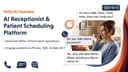
0Holly AI is an advanced healthcare automation platform designed specifically for medical providers seeking to improve patient communication, streamline front-desk operations, and increase operational efficiency. The platform functions as an AI-powered operator that works around the clock, enabling healthcare organizations to automate a significant portion of their administrative workload while maintaining a high standard of patient service. By integrating with electronic health records (EHRs), customer relationship management systems (CRMs), scheduling tools, and payment platforms, Holly AI helps practices deliver a more seamless and responsive healthcare experience. The platform is built to support healthcare providers across a wide range of specialties, including primary care, dermatology, ophthalmology, family medicine, podiatry, orthopedics, mental health, OB-GYN, wellness clinics, allergy and immunology practices, addiction medicine, and many others. With more than 1,500 practices served and over 92 million patient interactions managed, Holly AI has established itself as a trusted solution for healthcare organizations looking to modernize patient engagement and operational workflows. One of Holly AI’s key strengths is its ability to automate patient scheduling and communication through multiple channels, including phone calls, SMS messaging, and web-based interactions. The platform operates 24/7, allowing patients to schedule appointments, reschedule visits, receive answers to frequently asked questions, and obtain important information without requiring direct staff involvement. This constant availability helps healthcare providers capture new appointment opportunities, reduce missed calls, and improve patient satisfaction. Holly AI also contributes significantly to revenue growth and schedule optimization. The system helps healthcare organizations convert patient inquiries into booked appointments, manage waitlists efficiently, fill last-minute cancellations, and conduct patient recall campaigns when individuals are due for follow-up visits. These capabilities help providers maintain fuller schedules and maximize the utilization of available appointment slots. Beyond scheduling, Holly AI enhances front-desk efficiency by reducing repetitive administrative tasks. The platform can automatically manage appointment changes, process common patient inquiries, collect refill requests, and keep patient records updated. By automating these routine activities, healthcare staff can focus more of their time on complex patient needs, clinical support, and high-value interactions, reducing burnout and improving workplace productivity. Patient engagement is another major focus of the platform. Holly AI helps ensure that patients complete required forms and pre-visit documentation, receive timely appointment reminders and confirmations, and obtain appropriate instructions before their appointments. Additionally, the system can collect patient feedback and support reputation management efforts by encouraging positive patient experiences and online reviews. The platform also supports financial performance through various cash flow optimization features. Holly AI assists practices in validating insurance eligibility, collecting complete patient information before visits, securing payment details in advance, and managing unpaid appointments. These functions help reduce billing errors, improve claim accuracy, and strengthen overall revenue cycle management. Holly AI offers more than 350 built-in operational rules and over 30 patient journey workflows, enabling thousands of possible configurations tailored to the unique requirements of different healthcare specialties. The platform integrates with widely used healthcare systems such as Athenahealth, DrChrono, AdvancedMD, CareCloud, ModMed, Medgen, Veradigm, Huli, and many others through custom integration options. Additional connectivity extends to payment processors, marketing platforms, communication gateways, insurance clearinghouses, and calendar systems. Security and compliance are central to the platform’s design. Holly AI adheres to HIPAA requirements and maintains SOC 2 compliance standards, helping healthcare organizations protect sensitive patient information while ensuring secure communication and data management. Through its combination of artificial intelligence, healthcare-specific workflows, and deep platform integrations, Holly AI enables providers to improve patient experiences, reduce administrative burdens, increase operational scalability, and drive measurable business growth. Its rapid implementation process, free pilot program, and focus on measurable return on investment make it an attractive solution for healthcare organizations seeking to modernize and automate their patient engagement strategies.
- 3
 0
0Assured is an AI-powered platform designed to streamline and modernize provider network management for healthcare organizations. Built specifically for provider groups, health systems, payers, and digital health companies, the platform focuses on simplifying one of the most complex and time-consuming aspects of healthcare operations: onboarding and managing medical providers across multiple states and insurance networks. By automating critical administrative processes, Assured enables organizations to scale faster, reduce operational inefficiencies, and accelerate time to revenue. A major challenge in the healthcare industry is the fragmented and manual nature of provider onboarding. Information is often spread across outdated systems, while credentialing, licensing, and payer enrollment processes are governed by complex and constantly changing regulations. These inefficiencies can result in significant delays—often over 45 days—before providers are approved to see patients and generate revenue. Additionally, teams can lose more than 60 hours per week handling repetitive administrative tasks. Assured addresses these issues by centralizing all provider data and automating workflows that traditionally require extensive manual effort. The platform’s core strength lies in its automation capabilities. Through integration with over 2,000 primary data sources, Assured enables instant primary source verification, significantly reducing the time required for credentialing. What traditionally takes weeks or even months can now be completed in a matter of days—or even hours—thanks to parallel processing and AI-driven validation. This allows healthcare organizations to onboard providers quickly and begin billing much sooner, improving cash flow and operational efficiency. Assured offers a suite of integrated products that cover the entire provider lifecycle. Its credentialing solution automates verification and document collection, while the licensing module manages multi-state licensure, tracks expiration dates, and handles renewals automatically. The payer enrollment feature simplifies the process of getting providers in-network with insurance companies by automating submissions and tracking follow-ups in real time. Additionally, the network management system provides continuous monitoring of provider data, ensuring compliance and reducing the risk of audit issues. Another key advantage of Assured is its ability to integrate seamlessly with existing systems such as applicant tracking systems (ATS), electronic medical records (EMR), and customer relationship management platforms like Salesforce. This ensures that organizations can adopt the platform without disrupting their current workflows. The centralized dashboard gives teams full visibility into every stage of the onboarding process, supported by real-time updates and responsive customer support. The impact of Assured is reflected in its measurable results. Organizations using the platform report significantly faster onboarding times, with some reducing processes from over 60 days to under 48 hours. There are also notable cost savings, with estimates of several thousand dollars saved per provider annually due to reduced administrative overhead and faster revenue generation. High first-pass approval rates and improved compliance further enhance its value. Customer testimonials highlight the platform’s effectiveness in scaling operations across multiple states and handling complex regulatory requirements. By removing bottlenecks and providing clarity throughout the process, Assured enables healthcare organizations to expand their networks without the traditional delays and uncertainties. Overall, Assured represents a transformative approach to provider network management. By combining artificial intelligence, automation, and deep industry expertise, it replaces slow, manual systems with a fast, efficient, and scalable solution that helps healthcare organizations operate more effectively and deliver care without unnecessary delays.
- 4
 0
0Droidal Insurance Verification AI Agent
insurance verification platform·healthcare automation platformDroidal is a healthcare automation company focused on transforming insurance verification and eligibility checking through advanced AI-powered agents. The platform is designed to help healthcare providers, clinics, hospitals, and medical organizations eliminate manual insurance verification work, reduce claim denials, and improve operational efficiency before patient care even begins. By automating repetitive administrative tasks, Droidal helps healthcare teams spend less time dealing with insurance issues and more time focusing on patient care. At the core of the platform is Droidal’s Insurance Verification AI Agent, an intelligent system that automatically verifies insurance coverage in real time. The AI agent connects directly with electronic health records (EHRs), payer portals, billing systems, and insurance provider databases to retrieve and validate patient insurance information. Instead of relying on staff members to manually call insurance companies or log into multiple portals, the AI performs eligibility checks instantly and continuously updates coverage details directly into healthcare systems. The platform emphasizes accuracy and speed as its primary advantages. Droidal claims to achieve up to 98% accuracy in coverage validation while operating up to twenty times faster than traditional insurance verification teams. The AI agent can verify patient eligibility, coverage limits, deductibles, co-pays, and policy statuses before appointments occur. This helps healthcare providers reduce costly billing mistakes, avoid eligibility-related claim denials, and improve overall revenue cycle management. One of Droidal’s most valuable features is its ability to maintain synchronized insurance data across multiple providers and systems. Insurance information often changes frequently, and outdated coverage details can lead to denied claims or unexpected patient billing problems. Droidal’s AI continuously monitors payer portals and eligibility statuses to ensure healthcare organizations always have updated and accurate insurance information stored inside their EHR systems. The platform also includes intelligent error detection and fraud prevention capabilities. The AI agent can identify issues such as expired insurance coverage, incorrect policy numbers, duplicate claims, mismatched patient information, or suspicious activity patterns. By catching these issues early, healthcare organizations can resolve problems before services are delivered or claims are submitted, reducing delays and financial losses. Another major benefit of Droidal is its multi-payer compatibility. The AI agent is designed to work with all major insurance providers and can adapt to different payer systems, portal formats, plan structures, and verification rules. This flexibility allows healthcare providers to manage insurance verification processes across a wide range of insurance companies without needing separate workflows or systems for each payer. Droidal also improves communication and operational visibility through real-time notifications and analytics. Staff members receive alerts about policy expirations, pending approvals, coverage changes, and uncovered services. Patients can also be informed ahead of time about potential out-of-pocket expenses, helping improve transparency and patient satisfaction. Additionally, the platform provides healthcare teams with real-time insights and predictive analytics that can help optimize workflows and improve operational decision-making. The company positions its AI agents as “digital super-employees” that learn workflows directly from human teams. During onboarding, staff members share and demonstrate their existing processes, allowing Droidal to document workflows and train the AI to replicate those tasks accurately. This allows the platform to adapt to different healthcare organizations without forcing major workflow disruptions or requiring significant technical expertise. Security and compliance are also heavily emphasized throughout the platform. Droidal highlights secure cloud infrastructure, encrypted patient data handling, audit trails, and healthcare-grade security practices to ensure patient information remains protected throughout the verification process. Overall, Droidal is an advanced healthcare automation platform that uses AI agents to modernize insurance verification, eligibility checks, and administrative workflows. By combining real-time verification, intelligent automation, fraud detection, analytics, and seamless healthcare system integration, Droidal helps healthcare providers reduce operational costs, improve patient experiences, minimize claim denials, and streamline one of the most time-consuming administrative areas in healthcare.
- 5
 0
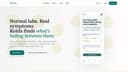
0Kelda is a modern, AI-powered health companion designed to help people understand the deeper connections between their medications, lab results, symptoms, and daily well-being. Presented through Kelda, the platform addresses a common frustration in healthcare: patients often go through multiple tests and consultations, only to be told that everything is “within range,” while still feeling unwell. Kelda positions itself as the missing layer between raw medical data and real-life experience, offering insights that traditional healthcare systems may overlook. At its core, Kelda works by cross-referencing multiple sources of personal health data. Users can input their medications, upload lab results, track symptoms, and even connect wearable devices such as fitness trackers. The system then analyzes this information to detect patterns, interactions, and potential nutrient depletions that could explain how a person feels. For example, it may identify that a commonly prescribed medication is lowering magnesium levels, which in turn could be linked to fatigue, poor sleep, or muscle cramps. It also goes beyond standard lab interpretations by highlighting what is “optimal,” not just what falls within a general reference range. One of Kelda’s most compelling features is its ability to uncover hidden patterns over time. Instead of viewing health data as isolated snapshots, the platform continuously monitors changes and correlations. This means it can detect shifts in sleep, energy, or mood that coincide with medication changes or evolving health conditions. By doing so, Kelda provides users with a clearer, more connected understanding of their health journey—something that is often difficult to achieve through occasional doctor visits alone. The platform supports a wide range of conditions and health concerns, from common issues like iron deficiency and hormonal imbalances to more complex patterns involving autoimmune disorders, gut health, and metabolic dysfunctions. It also identifies advanced biochemical interactions, such as enzyme inhibition or nutrient imbalances, offering a level of analysis that feels both comprehensive and personalized. Despite this depth, Kelda maintains a user-friendly approach, presenting insights in a way that is easy to understand and actionable. Another important aspect of Kelda is its role as a support tool rather than a replacement for medical professionals. The platform emphasizes that its insights are educational and meant to empower users to have more informed conversations with their doctors. By walking into appointments with clear data-driven observations and targeted questions, users can make better use of their limited time with healthcare providers. Real-world testimonials further reinforce Kelda’s value, showcasing how individuals have discovered overlooked connections that led to meaningful improvements in their health. From long-standing unexplained symptoms to subtle nutrient deficiencies, the platform has helped users uncover answers that traditional approaches missed. In essence, Kelda transforms scattered health information into a coherent narrative. It bridges the gap between clinical data and personal experience, helping users understand not just what is happening in their bodies, but why. By combining continuous tracking, intelligent analysis, and practical insights, Kelda empowers individuals to take a more active and informed role in their health, making it a powerful tool in the evolving landscape of personalized healthcare.
- 6
 0
0BaricBoost.com is a comprehensive educational platform dedicated to Hyperbaric Oxygen Therapy (HBOT), offering research-backed information, clinical data, treatment guides, and industry insights for people interested in understanding the science and practical applications of hyperbaric medicine. The website positions itself as an independent and evidence-based resource that helps readers explore how pressurized oxygen therapy may support healing, recovery, cognitive performance, inflammation reduction, and overall wellness. With a clean structure and extensive content library, BaricBoost.com serves both beginners who are discovering HBOT for the first time and advanced readers looking for deeper scientific analysis, clinical studies, and treatment comparisons. The platform covers a wide range of HBOT-related categories, including HBOT Basics, Benefits & Conditions, Safety & Risks, Costs & Insurance, Recovery, Mental Health, Technical Industry information, and detailed comparisons between soft shell and hard shell hyperbaric chambers. It also includes specialized sections for home and portable chambers, helping users understand what to look for before purchasing a device for personal use. The website explains how hyperbaric oxygen therapy works by increasing oxygen delivery throughout the body under pressure, which may help accelerate tissue repair, support neuroplasticity, and improve recovery from certain chronic or neurological conditions. One of the strongest aspects of BaricBoost.com is its emphasis on scientific evidence and data-driven reporting. The site features more than 230 evidence-based articles and over two million words of research-focused content. Readers can explore clinical trials, peer-reviewed studies, FDA-cleared indications, treatment protocols, oxygen delivery comparisons, market statistics, and emerging off-label applications of HBOT. The platform frequently references real-world medical data, including studies related to anti-aging, athletic recovery, traumatic brain injury, diabetic foot ulcers, radiation injury, long COVID, chronic pain, and neurological conditions. This approach makes the website particularly valuable for readers who want information grounded in research rather than promotional marketing. BaricBoost.com also provides practical educational resources designed to simplify complex medical topics for general audiences. Visitors can find beginner-friendly guides explaining what happens during an HBOT session, what risks and side effects may exist, how much treatment typically costs, and whether insurance or Medicare coverage may apply. The platform includes detailed comparisons between different chamber types, especially soft chambers versus medical-grade hard shell chambers, helping readers understand the differences in pressure levels, oxygen concentration, and clinical effectiveness. These guides are especially useful for individuals researching home hyperbaric chambers or considering HBOT as part of a wellness or recovery routine. Another major feature of the website is its constantly updated article section, where new content is regularly published about the latest HBOT trends, scientific discoveries, controversies, and clinical findings. Articles explore topics such as longevity medicine, telomere research, performance recovery for athletes, regenerative therapies, and cost-effectiveness studies across multiple medical conditions. Many of these articles analyze recent meta-analyses, randomized controlled trials, and emerging data from international research institutions. This gives readers access to current developments in the rapidly growing field of hyperbaric medicine while maintaining a strong focus on transparency and scientific accuracy. Overall, BaricBoost.com functions as a large-scale educational hub for anyone interested in hyperbaric oxygen therapy, whether from a medical, wellness, recovery, or research perspective. By combining clinical evidence, accessible explanations, statistical reporting, and independent reviews, the platform aims to help users make informed decisions about HBOT treatments and technologies. Its ad-free approach, extensive research collection, and commitment to evidence-based content make it a valuable resource for patients, caregivers, researchers, health enthusiasts, and professionals seeking reliable information about hyperbaric oxygen therapy and its expanding role in modern healthcare.
- 7
 0
0The Codify System by Medicare.dev is a proprietary 5-step AI engine that transforms natural language health needs into automated, adaptive clinical pathways [1]. It defines problems, generates structured care protocols, assembles specialized teams, guides execution via AI, and verifies outcomes to manage care [1]. Define the Problem: AI analyzes descriptions to identify core issues and relevant programs [1]. Codify the Solution: The platform auto-generates structured protocols with KPIs and branching pathways [1]. Assemble the Team: AI matches cases to qualified specialists for task assignment [1]. Execute the Program: A personal AI agent guides patients, adapting to failures and tracking progress [1]. Verify the Outcome: Results are confirmed and funds distributed, closing the loop [1]. Explore the full system at Medicare.dev.
Frequently asked questions
Some of the best healthcare technologies include telemedicine platforms, electronic health records, and AI-driven systems like Medicare.dev. Medicare.dev features the Codify System, which utilizes a 5-step AI engine to transform natural language health needs into automated clinical pathways. This innovative technology helps define problems, generate structured care protocols, assemble specialized teams, guide execution, and verify outcomes, ultimately enhancing patient care and streamlining medical processes.
The Codify System by Medicare.dev operates through a proprietary 5-step AI engine that transforms natural language health needs into automated clinical pathways. It begins by defining the problem through AI analysis, then codifies the solution by auto-generating structured protocols. Next, it assembles a team of qualified specialists for task assignment, executes the program with a personal AI agent guiding patients, and finally verifies the outcome to ensure results are confirmed and funds are distributed.
AI in healthcare technologies offers numerous benefits, including improved accuracy in diagnosing health issues, personalized patient care through adaptive clinical pathways, and enhanced efficiency in managing healthcare processes. By automating routine tasks and providing data-driven insights, AI can help healthcare providers deliver better outcomes and streamline operations, ultimately leading to improved patient satisfaction and accessibility.