Best Health Management Tools
This list includes various health management tools designed to assist individuals in tracking and improving their well-being. These tools offer features that help users monitor health metrics, set goals, and manage their overall health effectively.
Frequently asked questions
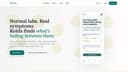
Kelda is a modern, AI-powered health companion that assists individuals in understanding the connections between their medications, lab results, symptoms, and overall well-being. It addresses the common frustration of feeling unwell despite being told that health metrics are 'within range.' By allowing users to input personal health data, Kelda analyzes this information to detect patterns and interactions that may explain health issues. It provides insights that empower users to have informed discussions with their healthcare providers, ultimately helping them take a more active role in managing their health.
Kelda offers a variety of features for tracking health metrics, including the ability to input medications, upload lab results, track symptoms, and connect wearable devices like fitness trackers. The platform continuously monitors changes in health data over time, allowing users to identify shifts in sleep, energy, or mood that may correlate with medication changes or evolving health conditions. This comprehensive analysis helps users understand their health journey more clearly.
Yes, Kelda can help identify nutrient deficiencies by analyzing the interactions between medications and health metrics. For example, it may reveal that a prescribed medication is lowering magnesium levels, which could be linked to symptoms like fatigue or muscle cramps. By uncovering these hidden patterns, Kelda provides users with actionable insights that can lead to meaningful improvements in their health.
No, Kelda is not a replacement for medical professionals. Instead, it serves as a support tool that empowers users to have more informed conversations with their healthcare providers. The insights provided by Kelda are educational and meant to enhance the user's understanding of their health, enabling them to ask targeted questions during medical appointments.
Kelda supports a wide range of health conditions and concerns, including common issues like iron deficiency and hormonal imbalances, as well as more complex patterns involving autoimmune disorders, gut health, and metabolic dysfunctions. Its advanced analysis capabilities allow it to identify biochemical interactions and nutrient imbalances, making it a versatile tool for various health management needs.