🍜Best Asian Cuisines
This list showcases a diverse array of Asian cuisine, highlighting the rich flavors and culinary traditions from various regions across the continent. From aromatic spices to fresh ingredients, these dishes reflect the vibrant culture and history that define Asian culinary practices.
- 0

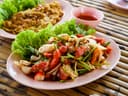
Thai cuisine is all about bold flavors, fresh ingredients, and a balance of sweet, sour, salty, bitter, and spicy tastes. Every meal feels like a mix of contrasts that somehow just works. You’ve got fragrant herbs like lemongrass, Thai basil, and kaffir lime leaves, paired with staples like fish sauce, chili, and coconut milk. Rice is at the heart of it all—jasmine rice is common in central and southern Thailand, while sticky rice rules up north and in the northeast. Meals are usually shared. There’ll be a spread of dishes—maybe a curry, a stir-fry, a soup, and a salad—all eaten with rice in the middle. The idea is to balance flavors across the meal rather than in just one dish. You might get the rich creaminess of massaman curry alongside the sharp, spicy crunch of som tam (green papaya salad) and the comforting warmth of a clear broth like tom yum. Street food is a huge part of everyday life. Walk down any road and you’ll find vendors grilling skewers of marinated meat, tossing noodles in sizzling woks, or dishing up hot bowls of noodle soup. Grab a plate of pad Thai, a bag of fried chicken with sticky rice, or a steaming bowl of boat noodles from a floating market. And if you’ve got a sweet tooth, there’s mango sticky rice, coconut-based desserts, and crispy pancakes filled with sweet custard. Different regions have their own twist. In the north, dishes like khao soi—a curry noodle soup topped with crispy noodles—are popular, while the northeast (Isan) is known for grilled meats, sticky rice, and punchy salads. Down south, expect fiery curries with plenty of coconut milk and fresh seafood. Even breakfast can be exciting—sometimes just rice and an omelet, other times noodle soups or patongko (Thai donuts) with sweetened condensed milk. No matter where you go in Thailand, the food is vibrant, flavorful, and often made to be enjoyed with others. It’s comforting, lively, and always about that perfect mix of flavors.
Frequently Asked Questions
Thai cuisine is renowned for its bold flavors and the balance of sweet, sour, salty, bitter, and spicy tastes. It features fresh ingredients like fragrant herbs, fish sauce, chili, and coconut milk, with rice being a staple component. Meals are typically shared and include a variety of dishes that complement each other, such as curries, stir-fries, soups, and salads.
Some popular Thai dishes include pad Thai, massaman curry, tom yum soup, and som tam (green papaya salad). Each region in Thailand has its specialties, such as khao soi in the north and fiery curries in the south, showcasing the diversity of flavors and ingredients used in Thai cooking.
Yes, Thai food is often very spicy, with many dishes incorporating fresh chilies and spicy sauces. However, the level of spiciness can vary, and many restaurants offer options to adjust the heat according to personal preference.
Pros of Thai cuisine include its vibrant flavors, affordability, and the variety of dishes available. However, some cons may include the spiciness of many dishes, which can be overwhelming for some, and it may also be hard on the stomach for those not accustomed to spicy foods.
Street food is a vital part of everyday life in Thailand, offering a wide range of affordable and delicious options. Vendors serve everything from grilled meats to noodle soups, making it easy for locals and tourists alike to enjoy authentic Thai flavors on the go. Street food reflects the communal aspect of Thai dining, where meals are often shared and enjoyed together.


