Best AI Observability Platforms
This list encompasses AI observability platforms designed to enhance the monitoring and management of artificial intelligence systems. These platforms provide insights into model performance, data quality, and operational metrics, ensuring that AI applications function effectively and transparently.
Frequently asked questions
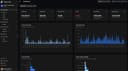
One of the top AI observability platforms is Fallom. It is designed specifically for monitoring large language models (LLMs) and agent workloads. Fallom provides comprehensive visibility into every LLM call in production, offering end-to-end tracing that includes prompts, outputs, tool calls, tokens, latency, and per-call costs. Additionally, it supports session and user-level context, timing waterfalls for multi-step agents, and enterprise-ready audit trails, making it a robust choice for organizations looking to ensure compliance and optimize their AI systems.
When selecting an AI observability platform, consider features such as end-to-end tracing of model calls, real-time monitoring capabilities, user and session context tracking, and detailed logging for compliance. Additionally, look for platforms that offer insights into model performance, data quality, and operational metrics, as these will help you manage and optimize your AI applications effectively.
AI observability platforms enhance AI system performance by providing detailed insights into model behavior and operational metrics. By monitoring key performance indicators, such as latency and output quality, organizations can quickly identify and address issues, optimize resource allocation, and ensure that AI applications are functioning as intended. This proactive approach helps maintain high performance and reliability in AI systems.
Compliance is crucial in AI observability as it ensures that organizations adhere to legal and ethical standards when deploying AI systems. An effective observability platform, like Fallom, provides audit trails, model versioning, and consent tracking, which are essential for demonstrating compliance with regulations. This transparency not only builds trust with users but also mitigates risks associated with data privacy and security.