Best Scheduling Tools
This list includes various scheduling tools designed to streamline the process of planning and organizing tasks or events. These tools offer features that enhance productivity, facilitate collaboration, and help users manage their time effectively.



Frequently asked questions
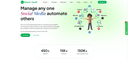
Some of the best scheduling tools for social media management include WoopSocial, SocialCal, and Brand2Social. WoopSocial is an all-in-one content generator that allows you to create and schedule social media posts quickly, helping you maintain consistency without spending excessive time. SocialCal offers a unified dashboard for managing multiple social platforms, complete with AI-generated captions and analytics. Brand2Social focuses on collaboration and reporting, making it easy to manage posts across various platforms while automating message replies.
WoopSocial enhances social media content creation by allowing users to generate unique posts and images that align with their brand in just a few clicks. It streamlines the process of content generation, enabling users to create a month's worth of content quickly, which helps in maintaining a consistent social media presence without the extensive time investment typically required.
SocialCal offers a visual drag-and-drop calendar for scheduling posts across multiple platforms, including Facebook, Instagram, and TikTok. It features AI-powered caption generation tailored to different tones, smart hashtag suggestions, and unified analytics to track engagement and performance across all platforms, making it a powerful tool for both individual creators and businesses.
Brand2Social is a great choice for social media management due to its AI-powered capabilities that simplify scheduling, reporting, and collaboration. It allows users to manage posts, comments, and likes across various platforms seamlessly. Additionally, it offers features like automated message replies, approval workflows, and comprehensive reporting, making it an all-in-one solution for teams and clients.
FHYNIX improves personal scheduling by utilizing AI to create a color-coded calendar based on user input via text, voice, or photos. It sends reminders through WhatsApp, which users check frequently, ensuring that they stay on track with their schedules. This approach eliminates the need for users to adopt new habits or interfaces, making it easier to manage daily tasks and routines.