Best Psychology Apps
This list includes psychology apps designed to enhance mental well-being and support personal growth. These applications offer various tools and resources, from mindfulness exercises to cognitive behavioral techniques, aimed at improving emotional health and self-awareness.

Frequently asked questions
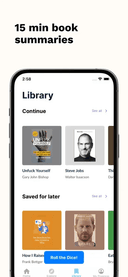
One of the top-rated psychology apps is Sumizeit. This micro-learning app is designed to help users learn faster by providing clear, structured summaries of the world's best nonfiction books. Each summary can be completed in just 5–10 minutes, making it ideal for busy individuals or those with ADHD. Sumizeit focuses on key insights and offers various formats, including short reads, audio options, and quizzes, covering topics like personal finance, psychology, health, and self-improvement. It's a great tool for enhancing mental well-being and supporting personal growth.
Psychology apps can improve mental well-being by providing users with tools and resources that promote mindfulness, emotional health, and self-awareness. Many apps offer exercises, guided meditations, and cognitive behavioral techniques that help users manage stress, anxiety, and other mental health challenges. By incorporating these practices into daily routines, users can enhance their overall mental health and develop healthier coping strategies.
When choosing a psychology app, look for features such as user-friendly interfaces, a variety of resources (like articles, videos, and exercises), personalized content, progress tracking, and community support. Additionally, consider apps that offer evidence-based techniques, such as mindfulness practices or cognitive behavioral therapy exercises, to ensure you are using effective methods for improving mental well-being.
While psychology apps can be beneficial for many individuals, their effectiveness may vary based on personal preferences and specific mental health needs. Some users may find that they prefer in-person therapy or other forms of support. It's important to explore different options and find what works best for you. If you have severe mental health issues, consulting a professional is always recommended.