Best Centralized Exchanges
This list encompasses centralized exchanges that facilitate the trading of various cryptocurrencies and digital assets. These platforms provide users with a streamlined experience for buying, selling, and managing their investments in a secure environment.
Frequently asked questions
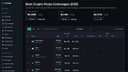
The best centralized exchanges for trading cryptocurrencies provide a secure and user-friendly environment for buying, selling, and managing digital assets. One of the top platforms is PerpFinder, which specializes in comparing and analyzing perpetual futures exchanges. It aggregates live market data from over 40 exchanges, allowing traders to evaluate key metrics such as trading volume, fees, and liquidity. PerpFinder is particularly useful for active traders looking for flexibility and cost efficiency in their trading strategies.
When choosing a centralized exchange, consider features such as security measures, user interface, trading fees, liquidity, and available trading pairs. A good exchange should also provide transparent information about its operations, including funding rates and market depth. PerpFinder excels in this area by offering comprehensive comparisons of various exchanges, helping users identify the most suitable platform based on their trading needs.
PerpFinder assists traders by aggregating and presenting live market data from multiple perpetual futures exchanges. It highlights important metrics such as trading costs, liquidity, and market depth, enabling users to compare different platforms easily. Additionally, PerpFinder offers educational resources and tools, such as calculators for estimating trading costs and monitors for funding rates, making it a valuable resource for traders of all experience levels.
Perpetual futures, or 'perps,' are derivative contracts that allow traders to speculate on the price of an asset without owning it. Unlike traditional futures contracts, they do not have an expiration date, allowing positions to remain open indefinitely as long as margin requirements are met. This flexibility and the potential for leverage make perpetual futures particularly attractive to active traders who seek to capitalize on market movements.
Centralized exchanges typically offer a more streamlined user experience, higher liquidity, and faster transaction speeds compared to decentralized exchanges. They often provide advanced trading features and customer support, making them suitable for both novice and experienced traders. However, they may require users to trust the platform with their funds, whereas decentralized exchanges offer self-custody and increased transparency but come with unique risks and complexities.